Is something wrong right now? If your pet is struggling to breathe, has collapsed, is bleeding heavily, cannot pass urine, has a swollen hard abdomen, is having a seizure, has been hit by a car, or has swallowed something you think is poisonous, this is an emergency. Call us before you set off so we can be ready for you, and if we are closed call a 24-hour emergency hospital straight away. Do not wait to see whether it settles. Call 000-000-0000
Dog tooth extraction in Woodside, NY is never decided from a photograph or a guess at the awake examination — it is decided from a full-mouth dental radiograph taken while your dog is already anaesthetised for a dental, showing exactly which roots are affected and how much bone is holding the tooth in. A tooth that looks stable from the front can have a dead root or bone loss the radiograph makes obvious, and a tooth that looks discoloured or chipped can sometimes be saved. The radiograph decides the plan, not the appearance.
Extractions are priced per tooth and always quoted before we do them, whether the tooth was expected before your dog went to sleep or found on the radiograph that morning. A simple extraction, where the root comes out in one piece with minimal manipulation, starts from $85. A surgical extraction, where we raise a small flap of gum and section a multi-rooted tooth to remove it without fracturing the jaw around it, starts from $180. Both prices depend on the tooth, the root pattern and how much bone has already been lost around it.
Cats bring a specific reason to this page: resorptive lesions, where the tooth's own structure is slowly dissolved from within, usually below the gum line, in a process nobody fully understands and no home care prevents. A cat can have an advanced resorptive lesion on a tooth that looks completely normal, and the same tooth can be quietly, constantly painful without a single obvious sign at home. Dr. Sofia Vargas, who leads dentistry and oral surgery here — see /team.html — finds these most often on the radiographs taken during a routine cat dental, which is one of the clearest arguments for taking the radiograph in the first place.
Simple versus surgical extraction, and what decides which
The two are priced differently because they are genuinely different procedures, not two names for the same job.
Simple extraction, from $85
Used where a root is single, straight and not fused to the surrounding bone, so the tooth can be elevated and removed in one piece with minimal disturbance to the socket. Most incisors and many single-rooted teeth in cats and small dogs fall into this category, and recovery is usually quick and straightforward. Healing is usually complete within a couple of weeks, and most animals show little interest in the site once any initial soreness from the procedure itself has settled.
Surgical extraction, from $180
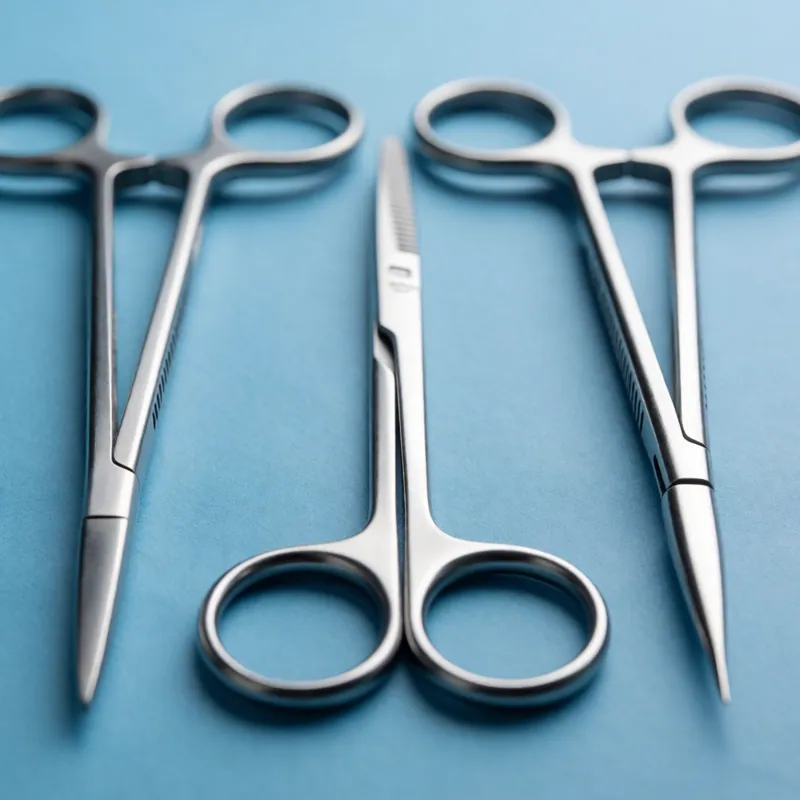
Used for multi-rooted teeth, teeth with resorption or significant bone loss, or roots that have fused to the jaw over time. We raise a small flap of gum, section the tooth into its individual roots, remove each separately, and close the gum with a dissolving suture, which is safer for the jaw than forcing a fused root out whole. The dissolving suture means there is nothing to remove at a later visit, and the technique protects the surrounding bone from the kind of fracture a forced extraction can cause.
Why the price is per tooth, not per visit
A dental that finds one tooth needing extraction and a dental that finds six are genuinely different amounts of surgical time and different amounts of tissue handled, and pricing per tooth reflects that honestly rather than folding it into a flat 'extraction visit' fee that either overcharges the simple case or undercharges the complicated one. It also means your written estimate lists exactly which teeth are involved, so you can see precisely what you are being asked to approve rather than a single unexplained number.
What decides the category on the day
The full-mouth radiograph, not a guess based on how the crown looks. A single-rooted tooth with a healthy root on x-ray is usually simple; the same-looking tooth with resorption or bone loss visible on the radiograph becomes surgical, because forcing it out the simple way risks leaving a root fragment behind. A retained fragment can keep a socket sore and infected long after everything looked closed and healed on the surface, which is exactly the outcome the surgical approach is designed to avoid.
Always quoted before it is done
If the radiograph changes the plan from what your written estimate assumed, we call before extracting anything beyond it, describe what we found, and give you a revised per-tooth price. You are never told after the fact that more teeth came out than you expected to pay for. This applies whether the change is one additional tooth or several, and it applies equally to a straightforward cat dental and a complicated older dog with several problem teeth found on the same set of radiographs.
Feline resorptive lesions, and the tooth that looks fine but is not
This is the single most common reason a cat's dental turns into an extraction visit, and it is almost never visible before the radiograph.
What a resorptive lesion actually is
The tooth's own root and, eventually, the crown are gradually broken down from within by the cat's own body, in a process that is common in cats and not fully understood. It is not decay in the way a cavity is, and it cannot be filled or reversed — once resorption has started, the affected tooth needs to come out.
Why it hides so well
Resorption very often starts below the gum line, on a root that looks completely normal from the crown, so an awake examination and even a careful look at an anaesthetised mouth can both miss it entirely. The radiograph is usually the only thing that finds it, which is the whole argument for taking one on every cat dental rather than only the ones that look like they need it.
Why a normal-looking tooth can still be painful
Resorption reaches the sensitive inner structure of the tooth well before it is visible at the gum line, and cats are notoriously good at hiding dental pain — many keep eating normally, including on the affected side, right up until the tooth is treated. A cat not showing pain is not the same thing as a cat not in pain.
What happens once one is found
The affected tooth is extracted, usually as a surgical extraction because resorption weakens the root and makes it more likely to fracture if elevated whole. Some cats have resorption on more than one tooth at the same visit, which is why the estimate is written per tooth and confirmed with you before we go further than the plan you agreed to.
Why we check every cat, not just the ones with symptoms
Because the cats that turn out to have the most advanced resorption are frequently the ones whose owners describe them as eating perfectly normally. Checking radiographically on every cat dental, rather than only on cats showing an obvious sign, is the only way we have found to catch this reliably before it progresses further. Skipping the radiograph on a cat that seems fine is exactly how a resorptive lesion is missed, since 'seems fine' is precisely what most affected cats look like from the outside.
Life after an extraction — recovery, eating, and what to watch for
Owners brace for the worst before an extraction and are almost always surprised by how the animal actually does afterwards.
Most animals eat better afterwards, not worse
A tooth that has been painful for months, sometimes without any sign an owner could have caught, is frequently worse for eating than having it removed. It is common to hear, at the follow-up, that an animal is suddenly enthusiastic about food, playing with toys again, or simply seems happier — changes an owner had put down to age rather than pain.
What the first few days actually look like
Softened food for a short period, pain relief sent home with clear written instructions, and usually a visible return to normal eating within a day or two once any soreness from the procedure itself settles. Dogs and cats adapt to eating without one or several teeth remarkably well, including animals who lose several at the same visit. Most owners tell us the hardest part was the twenty-four hours of waiting before the anaesthetic wore off, not anything that happened afterwards.
What to watch for, and when to call
Persistent bleeding beyond the day of surgery, swelling that is getting worse rather than better, pawing at the mouth, or a refusal to eat for more than a day are all reasons to call rather than wait. We will always tell you plainly what is a normal part of healing and what is not, and we would rather hear from you unnecessarily than not at all.
The free follow-up check
Any recheck relating to an extraction performed here is included for six weeks afterwards, so there is no reason to hesitate about coming back if something does not look right to you. We would much rather see a healing socket that turns out to be entirely normal than have you guess at home. The check takes a few minutes, needs no appointment fee, and is the same courtesy we extend to every procedure we perform, not a special exception for dental work.
Cross-linking to the rest of the dental service
Extractions almost always happen during the anaesthetic already booked for a scale and polish covered on /pet-dental-care.html, using the full-mouth radiographs taken as part of that same procedure. Occasionally an extraction is booked on its own, for a tooth already known to be a problem, and the same pricing and process apply either way. Doing both at once means one anaesthetic rather than two, which is safer and considerably less expensive than treating the mouth in separate visits.
Extractions & Oral Surgery in western Queens
Simple and surgical extractions priced and explained before anything is removed, feline resorptive lesions found on radiograph rather than guessed at, and the plain truth that most animals eat better once a painful tooth is gone.
It starts the same way whatever you are here for: a full examination with time to talk, what we found explained in plain English, and a written estimate for anything beyond the consultation before it happens. You are entitled to take that estimate away and think about it, and to ask what happens if you do nothing. That last one is a real question and it gets a real answer.
This is general information, not veterinary advice. This page describes a service. It is general information and it is not veterinary advice, a diagnosis or a treatment plan for any particular animal, because no page can examine your pet. If your animal is unwell, injured or behaving unusually, speak to a licensed veterinarian who can actually see it. In an emergency contact your own veterinarian or a 24-hour emergency animal hospital immediately.
Questions
Extractions & Oral Surgery — the questions we are asked most
How much does a tooth extraction cost for a dog or cat in Woodside, NY?
A simple extraction, where a single root comes out in one piece, starts from $85 per tooth. A surgical extraction, where we raise a small flap of gum and section a multi-rooted or resorbing tooth, starts from $180 per tooth. Both are confirmed in writing before we proceed, whether the tooth was already known about or found on the radiograph during your animal's dental.
How do you decide between a simple and a surgical extraction?
The full-mouth dental radiograph, not the appearance of the crown. A single-rooted tooth with a healthy-looking root on x-ray is usually straightforward to remove as a simple extraction. A multi-rooted tooth, or any tooth with resorption or bone loss visible on the radiograph, is treated as surgical, because trying to remove it the simple way risks fracturing the root and leaving a fragment behind.
What is a feline resorptive lesion, and why does my cat need x-rays to find it?
It is a process, common in cats, where the tooth's own structure is gradually broken down from within, usually starting below the gum line on a root that looks completely normal from the crown. It cannot be seen at an awake examination or even by looking at an anaesthetised mouth without a radiograph, which is why we take full-mouth dental radiographs on every cat dental rather than only on cats showing an obvious sign.
My pet's tooth looks fine. Why do you say it needs to come out?
Because a radiograph shows what a visual examination cannot — a dead root, bone loss around the root, or resorption starting below the gum line, all of which can exist under a crown that looks entirely normal. We show you the actual image, not just tell you the result, so you can see what the radiograph found rather than take our word for it.
Will my dog or cat be in pain after a tooth extraction?
Pain relief goes home with every extraction, along with clear written instructions, and most animals are visibly more comfortable within a day or two as the surgical site settles. What tends to surprise owners is the contrast with before the procedure — many animals had been living with a painful tooth for months without showing an obvious sign, and seem noticeably happier once it is gone.
Will my pet be able to eat normally after losing a tooth or several teeth?
Almost always, and usually better than before. Dogs and cats adapt very well to eating without one or several teeth, including animals who have multiple extractions at the same visit, and it is common to hear at the follow-up that an animal's appetite and energy have both improved. Food is softened for a short period after surgery while the sites heal.
What should I watch for after my pet has a tooth removed?
Persistent bleeding beyond the day of surgery, worsening swelling, pawing at the mouth, or refusing to eat for more than a day are all reasons to call rather than wait and see. Everything else — some grogginess, softer food for a few days, mild reluctance to chew on that side — is a normal part of healing, and we will tell you plainly which is which before you leave.
Is the price for an extraction confirmed before or after it happens?
Before. If a radiograph finds more than your original estimate assumed, we stop, call you, describe exactly what we found, and give you a revised per-tooth price before extracting anything beyond what you already agreed to. You are never presented with a number you have not already approved when you come to collect your animal.
Related
Usually booked alongside this
Surgery & Dentistry
Dental Cleaning
Full-mouth digital dental radiographs before every scale and polish, because the disease that actually matters sits below the gum line where an examination alone cannot see it. From $75 for the dental examination and estimate.
Read more
Surgery & Dentistry
Spay & Neuter
Cat and dog spay and neuter surgery priced by weight and species, timed to your particular animal's breed and size rather than a fixed age, with anaesthetic monitoring, pain relief to go home and the post-operative check all included.
Read more
Surgery & Dentistry
Soft Tissue Surgery
Lump removal and wound repair carried out here, with an honest line drawn at what genuinely needs a referral practice, a written estimate before anything goes to theatre, and histopathology sent on every mass we remove.
Read moreA written estimate before anything is booked
Book an appointment
We hold same-day appointments back on every single day of the week for animals that were well yesterday. Call the practice and describe what you have noticed, and the desk will book you at the right speed rather than the soonest one.