Is something wrong right now? If your pet is struggling to breathe, has collapsed, is bleeding heavily, cannot pass urine, has a swollen hard abdomen, is having a seizure, has been hit by a car, or has swallowed something you think is poisonous, this is an emergency. Call us before you set off so we can be ready for you, and if we are closed call a 24-hour emergency hospital straight away. Do not wait to see whether it settles. Call 000-000-0000
'He's just slowing down' is one of the most common things we hear about an older dog or cat, and it is almost never the full answer. Arthritis, dental pain, kidney disease, thyroid disease and simple deconditioning from being less active can all produce the same picture from across a room — a quieter animal, less interested in walks or play, sleeping more, eating a little less enthusiastically. Age itself is not a diagnosis and it is not a reason to stop looking; it is a description of a symptom that could have several genuinely treatable causes behind it.
Six months is a meaningfully long stretch of time in an older animal in a way it is not in a young adult one. Disease that progresses slowly in a five-year-old can progress considerably faster in a twelve-year-old, and a great deal of what we find at a senior check was genuinely not detectable at the previous visit six months earlier. Owners rarely notice this progression day to day, because they see their animal every single day and compensation happens gradually — which is exactly why a scheduled check, rather than waiting for an obvious symptom, catches so much of it early.
A senior health check is $145 and includes an extended consultation, a blood panel, a urine sample and a blood pressure reading, together rather than any one alone, because kidney disease, thyroid disease and hypertension in older cats in particular often need more than one of these to be caught reliably. The Senior Plan folds two of these checks a year into a single monthly payment of $62, along with an annual mobility assessment and a written quality-of-life review — see /wellness-plans.html for the full detail and /vaccination-schedule.html for how the wider schedule changes with age.
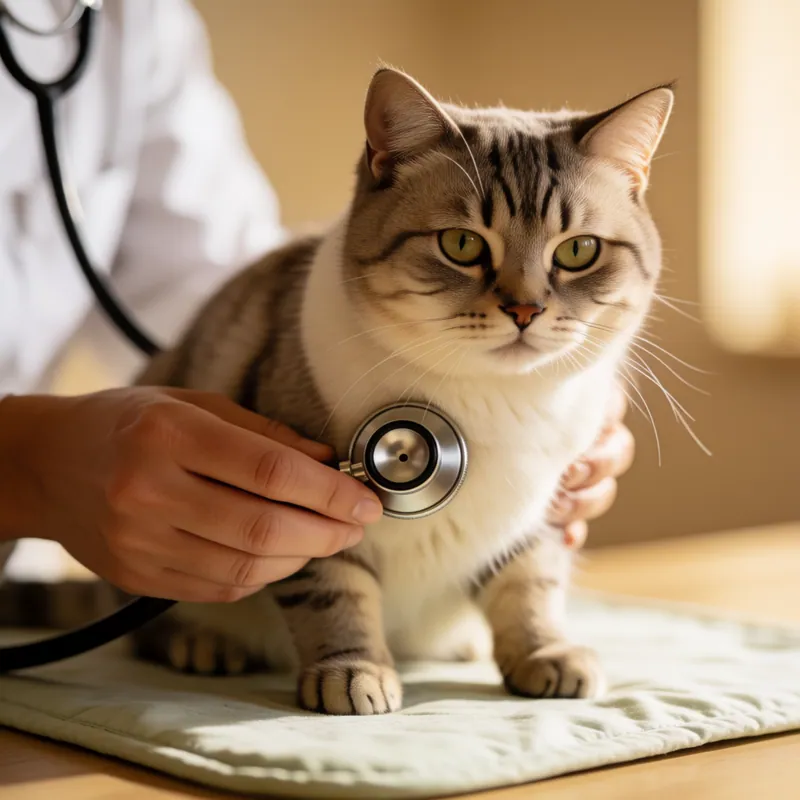
What 'slowing down' usually turns out to be
Several genuinely different and treatable conditions all produce the same tired, quieter animal from across the room.
Arthritis
Painful joints make an animal move less, and moving less is very often mistaken for simple ageing rather than pain — a dog that has stopped jumping into the car or a cat that has stopped using the top of the cat tree is frequently in joint pain rather than merely uninterested. A mobility assessment specifically looks for this rather than assuming it is age alone at work.
Dental pain
A mouth that is quietly painful reduces appetite, enthusiasm for play and general energy without an owner ever seeing an obviously broken tooth, because animals are remarkably good at hiding oral pain and continuing to eat regardless of the discomfort. A dental assessment is part of a proper senior check precisely because this is so easy to miss from the outside.
Kidney disease
Early kidney disease produces no obvious symptom that most owners would catch at home — by the time a cat is visibly drinking more or losing weight, a meaningful amount of kidney function is often already gone. Bloodwork and a urine sample together catch this considerably earlier than watching and waiting for a symptom to appear on its own. This is one of the clearest reasons a fixed schedule of checks beats waiting for a sign, because the useful window for acting on it has often already passed.
Thyroid disease
Overactive thyroid disease in older cats classically causes weight loss despite a normal or increased appetite, restlessness and a fast heart rate, and it is picked up on a blood panel well before it becomes obvious on the scale or in behaviour. Left untreated it places real strain on the heart over time as it progresses. It is also a condition where the physical examination and the bloodwork complement each other, since a fast heart rate or a small change felt in the neck on examination often prompts the blood panel that confirms it.
Deconditioning and simple weight change
Muscle genuinely is lost with reduced activity, and a lighter, less muscled animal moves differently in a way that can look like generalised slowing down even without a specific disease behind it. Weighing and body condition scoring at every visit is how this gets separated from the conditions above rather than lumped in with them by default. Comparing today's weight and muscle condition against last visit's recorded numbers, rather than against a general impression of how your animal looks, is what actually makes that distinction reliable.
Why the senior interval is shorter than the adult one
The same six months means something different depending on how old the animal living through it actually is.
Disease progresses faster in older tissue
A slowly developing condition in a five-year-old animal can move through the same stages considerably faster in a twelve-year-old one, simply because there is less physiological reserve to compensate with. A result that was borderline six months ago can be clinically significant today, even though nothing at home looked obviously different in between visits. This is one reason we resist comparing an older animal's case to a textbook timeline, since the rate of change is genuinely individual and is best tracked against that specific animal's own recent results.
Compensation hides change from the owner
Animals adjust quietly to a gradually failing system long before an owner notices anything is wrong, because the change happens over weeks rather than in a single dramatic moment, and because you see your own animal every day rather than at six-month intervals. A scheduled check compares against a known baseline rather than against a memory of how things were.
A missed check is not simply a delayed one
Skipping a senior check and catching up at the next one is not the same as being seen on time, because in the gap a condition can move from early and easily managed to advanced and considerably harder to treat. The interval exists because of how much can genuinely change within it, not as an arbitrary reminder to book something.
Baseline values make the next result mean something
A blood and urine value taken while an animal is well becomes the number every future result is compared against, which is what lets a borderline reading be read correctly as a genuine change rather than dismissed as within a generic normal range that may never have applied to your specific animal in the first place. It is one of the more persuasive reasons to start senior monitoring before anything seems wrong, since a baseline can only ever be taken while an animal is still well.
Twice a year, or more if we find a reason to
The senior schedule recommends checks every three to six months rather than annually, and where a specific condition is already being monitored, we may recommend more frequent checks than that for exactly as long as the situation calls for it, then step back down once things are stable again. We will always tell you plainly why we are suggesting a shorter interval for your particular animal, and we will just as plainly tell you when it is safe to space visits back out again.
The $145 check, and what the Senior Plan adds around it
One appointment, three kinds of information, and a plan for keeping the interval short without you having to remember it.
The extended consultation
Longer than a standard wellness visit, with time built in specifically for a mobility assessment, a dental check and an unhurried conversation about anything you have noticed at home, even things that felt too small to mention on their own until now. You are never rushed through this appointment because the diary allotted less time for it than a younger animal's visit — the extra minutes are built into the schedule on purpose, precisely because an older animal usually has more to cover, not less.
Bloods, urine and blood pressure, together
A blood panel and a urine sample are read together because some findings only make sense in combination — a specific pattern of values on both points more clearly toward kidney disease than either sample alone. Blood pressure is added because hypertension in older cats especially is frequently silent until it has already caused damage. Reading all three side by side, rather than as separate reports arriving on separate days, is exactly what lets a subtle pattern be recognised as a pattern rather than dismissed as three unrelated numbers.
A written quality-of-life review
A structured look at appetite, mobility, comfort and general demeanour, written down rather than kept as a general impression, so that a genuine decline can be tracked against an actual record over successive visits rather than relying on memory of how things felt six months earlier. You keep a copy as well, so the record belongs to you as much as to the file here, and so you can look back at exactly what a good day looked like for your animal a year ago rather than trusting memory alone to answer that question.
The Senior Plan, $62 a month
Folds two senior health checks a year into one predictable monthly payment, along with an annual mobility assessment, a twice-yearly written quality-of-life review, and 15% off dentistry, surgery and diagnostics. A monthly payment removes the temptation to skip a check simply because it was not top of mind that particular month. It can be cancelled at any time with no notice period, so joining is a low-risk way to see whether the shorter interval and the built-in discount genuinely suit your animal and your budget.
What we do with what we find
A finding at a senior check does not automatically mean a dramatic change — often it means a small adjustment to diet, a pain management plan for a joint, or simply a shorter interval before the next check to watch a borderline value. We will always explain what a result actually means for your specific animal rather than hand you a number.
Senior Pet Care in western Queens
'Slowing down' is not a diagnosis, since arthritis, dental pain, kidney disease and thyroid disease can all look identical from across the room until a senior health check tells you which one you are actually dealing with.
It starts the same way whatever you are here for: a full examination with time to talk, what we found explained in plain English, and a written estimate for anything beyond the consultation before it happens. You are entitled to take that estimate away and think about it, and to ask what happens if you do nothing. That last one is a real question and it gets a real answer.
This is general information, not veterinary advice. This page describes a service. It is general information and it is not veterinary advice, a diagnosis or a treatment plan for any particular animal, because no page can examine your pet. If your animal is unwell, injured or behaving unusually, speak to a licensed veterinarian who can actually see it. In an emergency contact your own veterinarian or a 24-hour emergency animal hospital immediately.
Questions
Senior Pet Care — the questions we are asked most
My pet just seems to be slowing down with age. Is that normal?
'Slowing down' describes what you are seeing, but it is not a diagnosis and it is not automatically explained by age alone. Arthritis, dental pain, kidney disease and thyroid disease can all produce exactly the same quieter, less interested animal, and several of them are genuinely treatable once identified. A senior health check looks specifically for these rather than assuming age is the whole answer, and quite often finds something manageable behind what looked like simple ageing.
What is actually included in the $145 senior health check?
An extended consultation with time for a mobility assessment and a dental check, a blood panel, a urine sample, and a blood pressure reading, all read together rather than sold separately. Some conditions, particularly in older cats, only show clearly when bloods and urine are considered alongside each other, and blood pressure is included because hypertension is often silent until it has already caused damage to the eyes or kidneys.
Why do senior animals need checks every three to six months instead of once a year?
Because six months is a meaningfully longer stretch of time in an older animal than in a young adult one — disease that would progress slowly at five years old can move considerably faster at twelve, and a result that was borderline at the last visit can become clinically significant well before a full year has passed. Shorter intervals catch that change while it is still early and easier to manage.
What is the Senior Plan, and is it worth it?
The Senior Plan is $62 a month and includes two full senior health checks a year, an annual mobility assessment, a written quality-of-life review twice a year, and 15% off dentistry, surgery and diagnostics. It suits a dog over seven or a cat over ten where the value is in catching things early rather than reacting once something is already obvious, and it removes the risk of a check being skipped because it slipped your mind.
How would I know if my older cat has kidney or thyroid disease?
Often you would not, at least not early on — both conditions can be well underway before symptoms like weight loss, increased thirst or a change in appetite become obvious enough to notice at home. Bloodwork and a urine sample together are how we catch these before they progress, which is exactly why they are built into every senior health check rather than only ordered once a symptom has already appeared.
My older dog has stopped jumping into the car. Is that just old age?
It is very often joint pain rather than simple disinterest, and it is one of the more common ways arthritis first shows itself — a dog does not necessarily limp, it simply avoids the specific movements that hurt. A mobility assessment during a senior check looks for this directly, and pain that is caught and managed at this stage generally responds a great deal better than pain quietly tolerated for a year or more.
Is blood pressure testing really necessary for my cat?
Yes, particularly from around ten years old. High blood pressure in cats is frequently silent, producing no symptom an owner would notice, until it has already damaged the eyes or the kidneys, sometimes permanently. It is measured in a quiet room and averaged over several readings as standard within every senior health check, precisely because waiting for a visible symptom means waiting until damage has often already occurred.
What happens if the senior check finds something wrong?
We will explain exactly what was found and what it means for your animal specifically, then talk through the realistic options, which are very often a manageable adjustment rather than a dramatic change — a pain management plan for a joint, a dietary change for early kidney values, or simply a shorter interval before we recheck a borderline result. A follow-up consultation to review any new finding is $48 within six weeks of the senior check.
Related
Usually booked alongside this
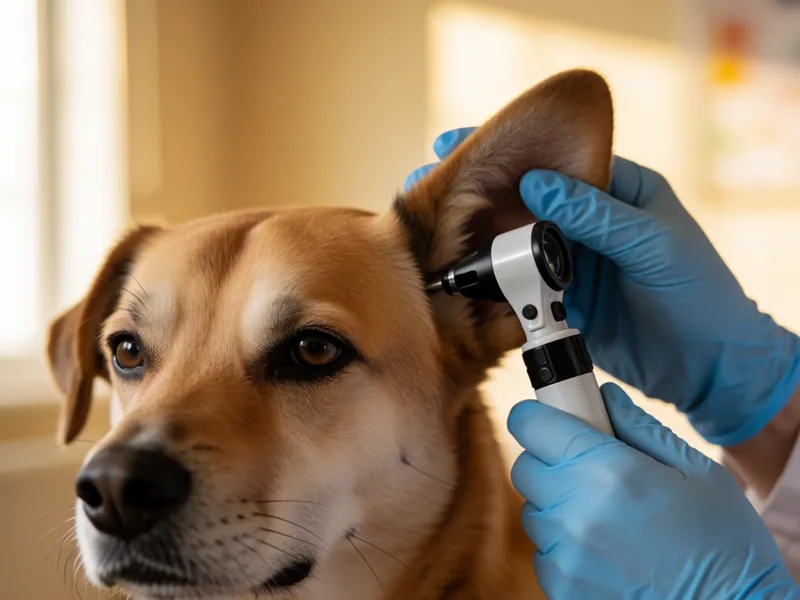
Diagnostics & Medicine
Sick Visits
Same-day appointments held back on every day of the week for an animal that was well yesterday and is not well today, with a desk trained to tell how quickly you need to be seen.
Read more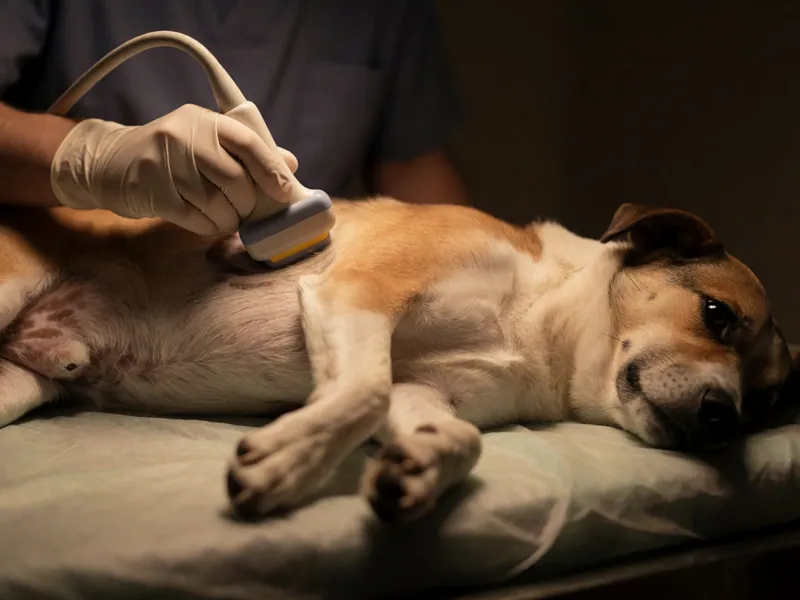
Diagnostics & Medicine
X-Ray & Ultrasound
Digital radiography for a bone, an object or an organ's size and position, and ultrasound for what that organ's own tissue looks like on the inside, with images kept on your animal's record.
Read more
Diagnostics & Medicine
In-House Laboratory
Haematology, biochemistry, urinalysis and cytology run in the building, with most results back inside the hour — the difference between starting treatment today and starting it after a weekend wait.
Read moreA written estimate before anything is booked
Book an appointment
We hold same-day appointments back on every single day of the week for animals that were well yesterday. Call the practice and describe what you have noticed, and the desk will book you at the right speed rather than the soonest one.