Who we see
Six kinds of animal, one list with an edge
Every animal on this page is examined to the same standard and gets the same written estimate before anything beyond the consultation happens. What changes by species is almost everything else: which door you come in through, how long the appointment is booked for, and — for one entry on this list — whether we are the right practice for you at all.
Dogs
Every breed and every size, from eight-week-old puppies to geriatric giant breeds. We have a lifting table for large dogs and a scale that goes to 90kg, and we will always see a nervous dog first thing or last thing when the waiting room is quiet if you ask.
Cats
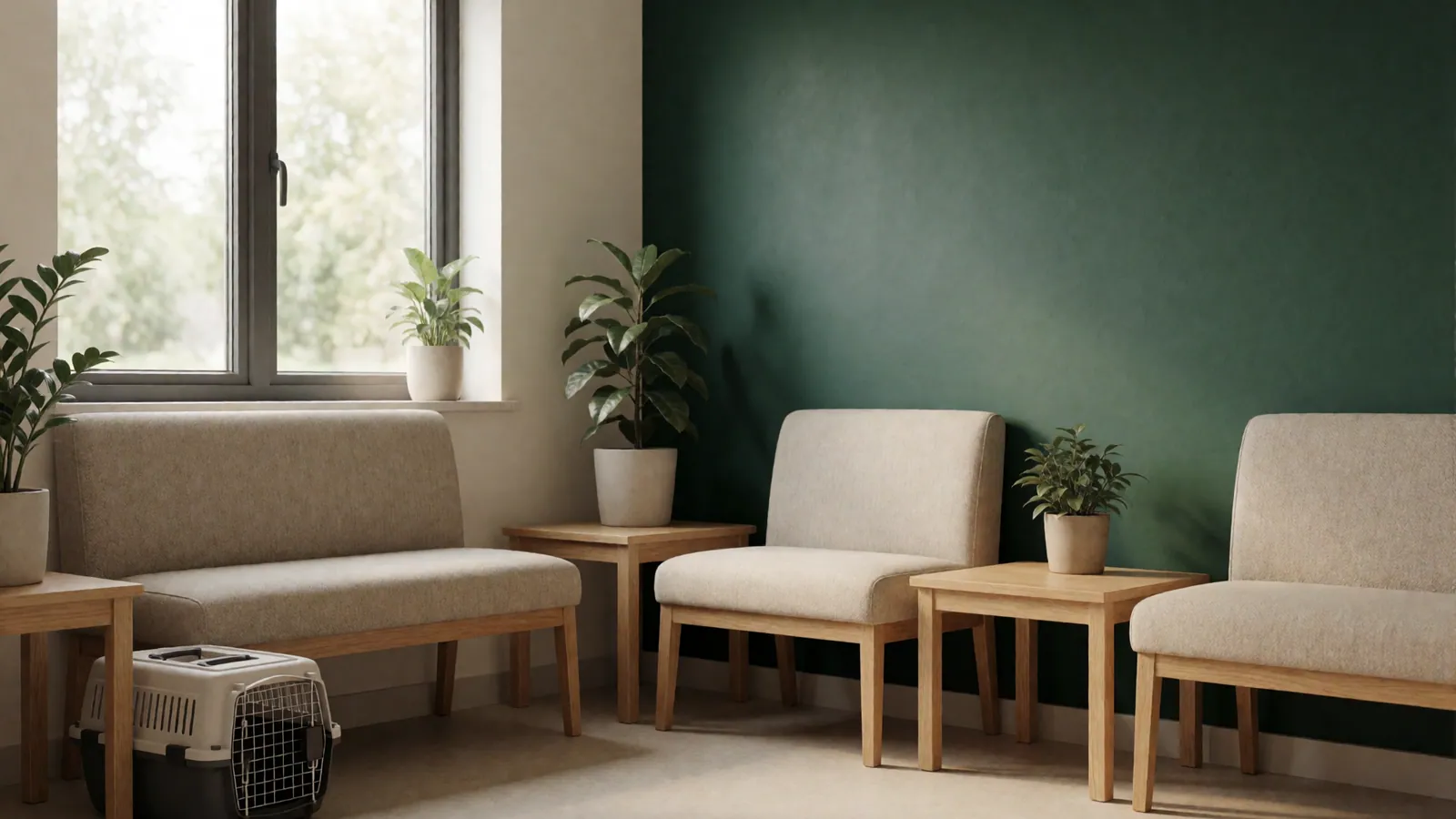
In a separate wing with its own entrance, waiting room, consulting rooms and ward. Cat appointments run longer than dog appointments on purpose, because a cat that has been given twenty minutes to settle can usually be examined fully without sedation.
Rabbits
Seen in the cat wing rather than the dog waiting room, because a rabbit sitting opposite a dog is a rabbit having a bad day. Dental disease and gut stasis are the two things we see most, and both are urgent in a way owners are rarely warned about.
Guinea pigs, rats and mice
Routine and sick appointments, dentistry for guinea pigs, and honest conversations about lumps in rats, which are common and often operable. Weighed on a scale accurate to the gram, because in an animal this size a 20g change is a clinical finding.
Ferrets
Vaccination, routine care, and the adrenal and insulinoma problems this species is prone to. We will tell you plainly if a case needs a practice that sees more ferrets than we do.
Birds, reptiles, fish and farm animals
We do not see these, and we would rather say so than do it badly. Avian and exotic medicine is a genuinely separate discipline with its own equipment and its own drug doses. Call us anyway and we will point you at a practice that does it properly.
The six cards above are the short version. Below is the longer one — what a visit actually looks like, species by species.
How the visit differs
Same practice, five different appointments
The species on the appointment card decides more about the visit than the reason it was booked.
Dogs
Every breed and size, eight weeks old to geriatric giant breeds, and by number the largest part of an ordinary day. Wellness examinations, vaccination and parasite prevention account for most dog visits; a limp, a skin complaint or a stomach upset accounts for most of the rest. A dog is weighed on a floor scale that reads to ninety kilograms, examined on a lifting table if the breed calls for one, and seen in the same waiting room and consulting rooms used for every other dog that day. Ask at booking for a quiet first or last slot if your dog finds a busy room difficult, and we will hold one back.
Cats
Cats are examined in a separate wing with its own street entrance, its own waiting room and two cat-only consulting rooms, and the appointment itself is booked longer than a dog's on purpose. Twenty unhurried minutes lets a cat settle in a covered carrier before anyone touches it, which is usually the difference between a full examination and one that has to finish under sedation. Most feline visits are for vaccination, a wellness check, or the kidney and thyroid disease that becomes more common from around ten years old — covered in more depth on /senior-pet-care.html.
Rabbits
Rabbits are seen in the cat wing rather than the dog waiting room, on the plain reasoning that a rabbit sitting opposite a dog is a rabbit having a bad day whatever either animal actually does. Dental disease and gut stasis are the two problems we see most, and both move faster and matter more than most owners expect — a rabbit that has stopped eating is closer to an emergency than a same-day inconvenience. Bring your rabbit in a secure carrier rather than loose in a box, and expect the same unhurried, cat-length appointment rather than a rushed dog-length one.
Guinea pigs, rats and mice
Weighed on a scale accurate to the gram rather than the nearest fifty, because in an animal this size a twenty-gram change is a genuine clinical finding rather than a rounding error. Guinea pigs need their own dental attention on a schedule most owners are never told about at the pet shop; rats develop lumps often enough that we treat a new one as routine rather than alarming, and many are straightforwardly operable. Mice are seen the same way, in the same rooms, on the same small-mammal scale, examined with the same patience as anything larger.
Ferrets
Vaccination and routine care make up most ferret visits, alongside the adrenal and insulin-producing tumours this species is genuinely prone to as it ages. We see enough ferrets to recognise both conditions early and to manage the straightforward cases properly, and we will tell you plainly the moment a case needs a practice that sees more of them than we do — which is not a large share of our cases, but it does happen, and pretending otherwise would not help your animal.
Where the list stops
Birds, reptiles, fish and farm animals — and why we say no
Birds, reptiles, fish and farm animals are the sixth entry on this list, and they are on it to be crossed off rather than ticked. We do not see them, and we are not going to pretend a small-animal practice can do avian or exotic medicine well on the side.
A parrot, a bearded dragon and a goldfish do not share a drug formulary, a set of normal blood values, or a way of being safely handled around a dog, a cat or a guinea pig, and treating any of them as an afterthought between more familiar appointments is how they end up badly served. Call us anyway. We keep a list of practices in Queens and nearby that see these species properly, and pointing you toward one of them costs you nothing and takes less time than the call you were dreading. The same goes for farm animals — a different discipline again, and one we do not attempt.
What never changes
Whatever species you bring
- A written estimate before anything beyond the consultation, for a rat the same as for a dog.
- A weight recorded at every single visit, whatever the reason for it, because a change is only visible if it is measured every time.
- A plan you leave with in writing, not just spoken aloud in the room.
This is general information, not veterinary advice. This page describes a service. It is general information and it is not veterinary advice, a diagnosis or a treatment plan for any particular animal, because no page can examine your pet. If your animal is unwell, injured or behaving unusually, speak to a licensed veterinarian who can actually see it. In an emergency contact your own veterinarian or a 24-hour emergency animal hospital immediately.
Read more
Where to go next
Registering as a new patient
What to bring to a first appointment, whatever species you are bringing. New patients start here.
What it costs
Real prices for examinations, vaccination and the rest, by species where it differs. See the price list.
Where we are and how to get here
Transit, parking and the neighbourhoods we see most. Areas we serve.
A written estimate before anything is booked
Book an appointment
We hold same-day appointments back on every single day of the week for animals that were well yesterday. Call the practice and describe what you have noticed, and the desk will book you at the right speed rather than the soonest one.