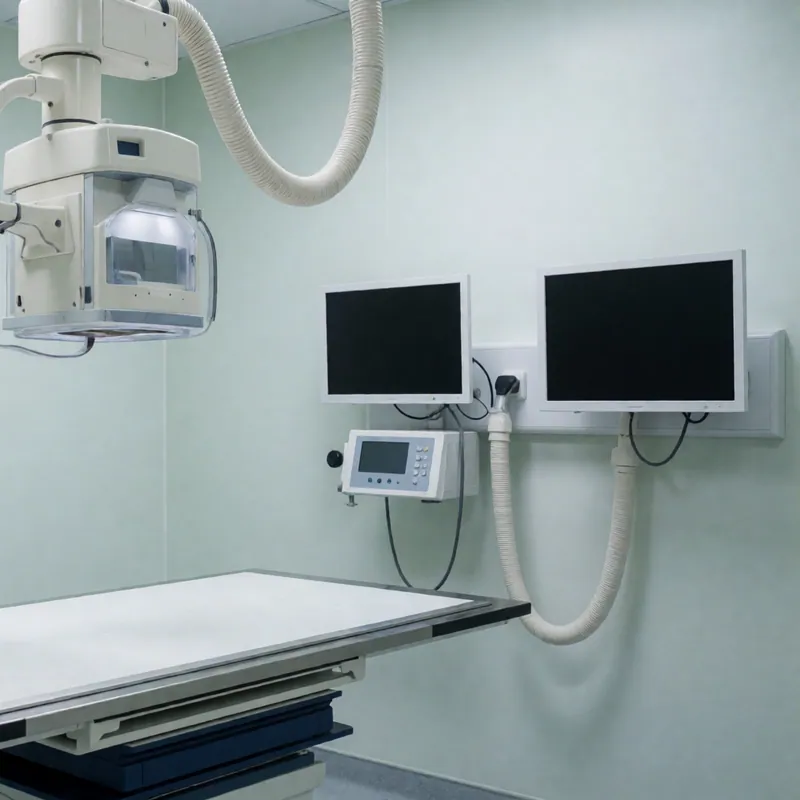
Digital radiography
Images on screen in seconds, at a fraction of the radiation dose of film, and stored against your animal's record so the next radiograph can be compared with this one rather than described from memory.
000-000-0000 · Mon–Fri 8–7, Sat 9–5, Sun 10–3
What it actually changes
None of this is listed to impress you. Each item on this page earns its place because it changes what happens to your animal that same day, not because it looks well in a photograph.
Before the list
A stethoscope and a good pair of hands will get an animal examined. Whether we can tell you, the same afternoon, why a cat has lost weight, whether a limping dog has a soft-tissue strain or a fracture, or whether a mouth that looks fine from the front is actually painful below the gum line, depends on what is behind that examination, and almost none of it is visible from the waiting room.
So the test we apply to anything on this page is simple: does owning it change what we do today, rather than merely what we can say. In-house bloods that come back within the hour change today's treatment decision instead of tomorrow's. Dental radiographs find disease an examination alone cannot see. A named technician watching a monitor, rather than the monitor watching itself, is worth more than the monitor. Equipment that cannot clear that bar does not appear here.
What is actually in the building
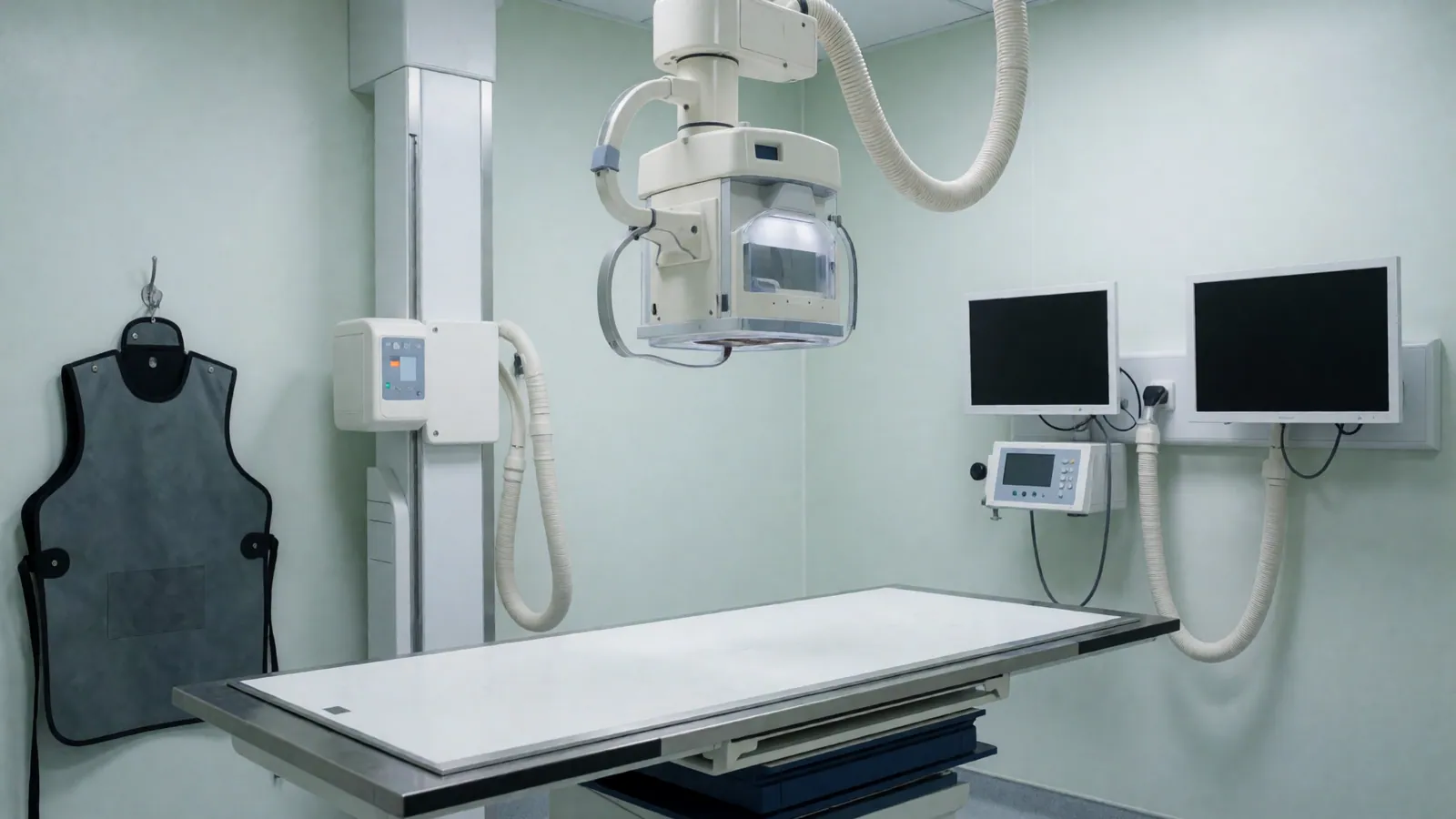
Images on screen in seconds, at a fraction of the radiation dose of film, and stored against your animal's record so the next radiograph can be compared with this one rather than described from memory.
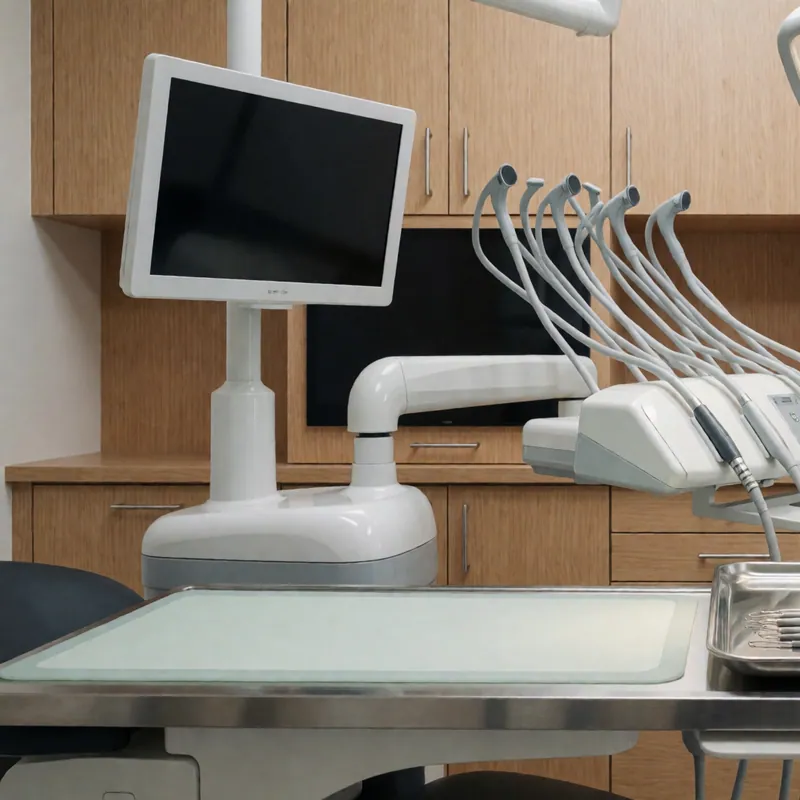
A separate dental x-ray system, because roughly half of dental disease sits below the gum line where no examination can see it. Every dental patient gets a full set before anything is extracted.
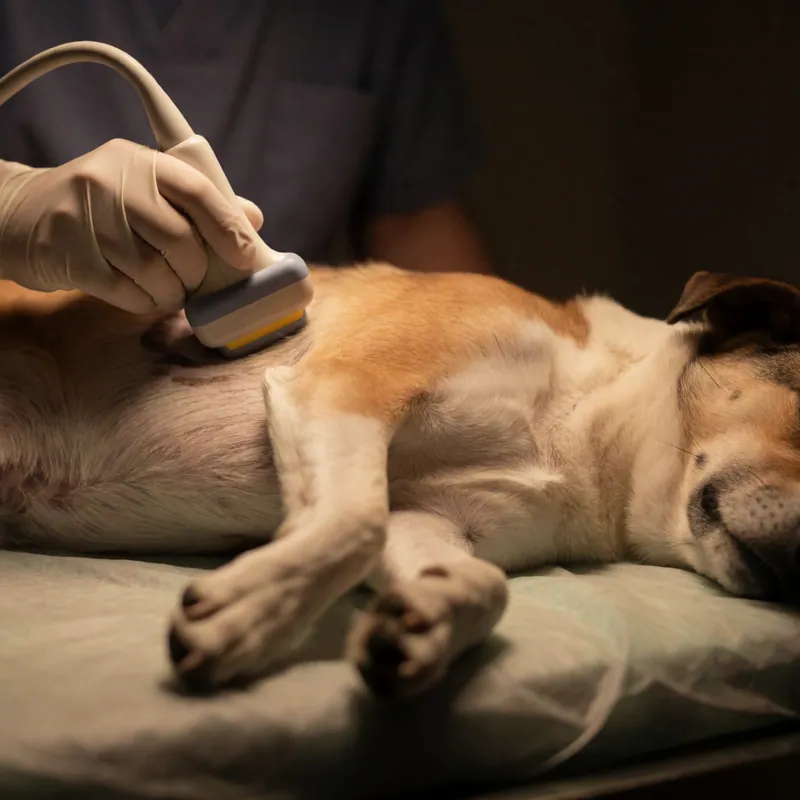
Abdominal and cardiac scanning in a dimmed quiet room. Ultrasound answers questions radiography cannot — whether an organ is the wrong texture rather than merely the wrong size.
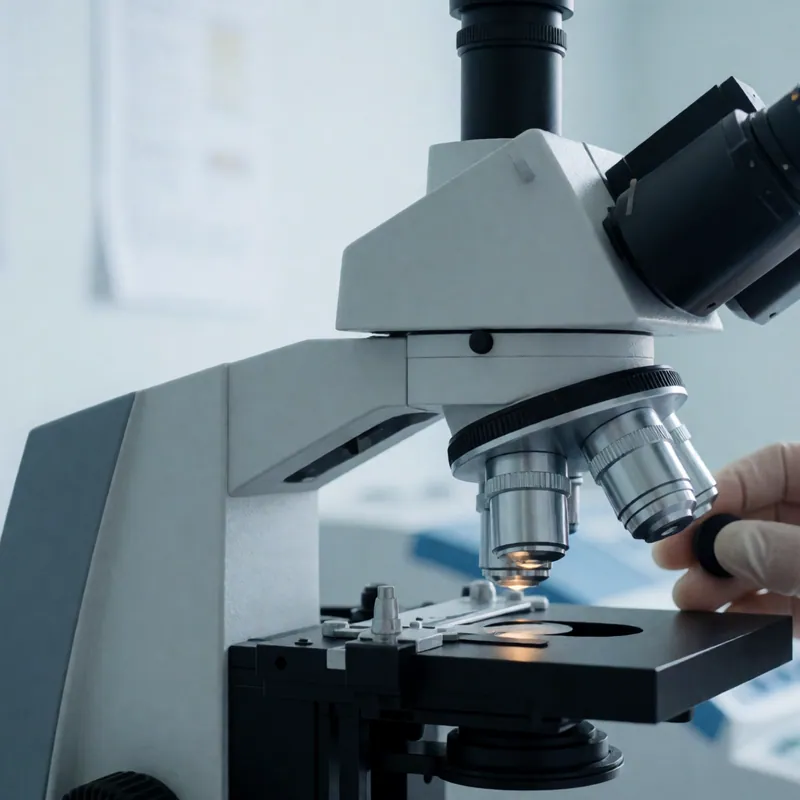
Blood results within the hour rather than the next day. For a collapsed animal that difference is the whole of the treatment decision.
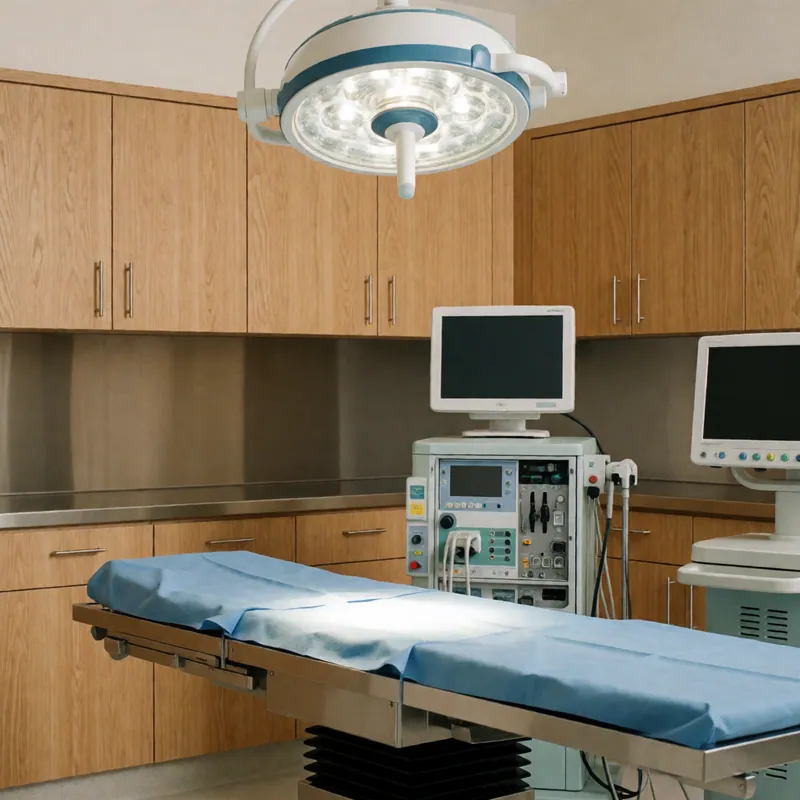
Continuous ECG, blood pressure, oxygen saturation, capnography and temperature on every anaesthetic, watched by a named technician whose only job for that hour is your animal.
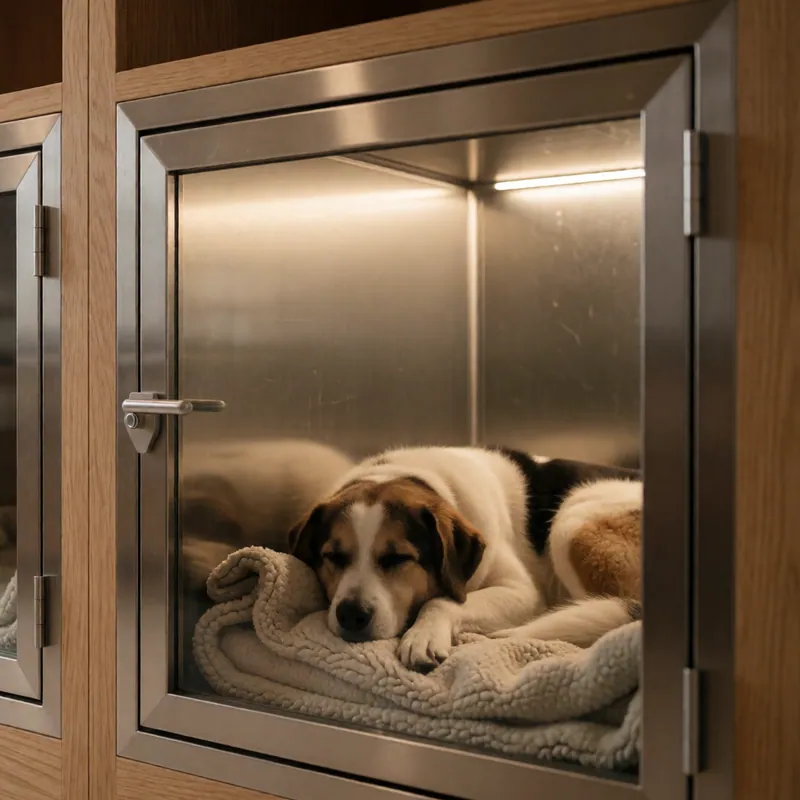
Forced-air warming during and after anaesthesia. Anaesthetic patients lose heat quickly and cold patients recover badly, which makes a warming system a clinical instrument rather than a comfort.
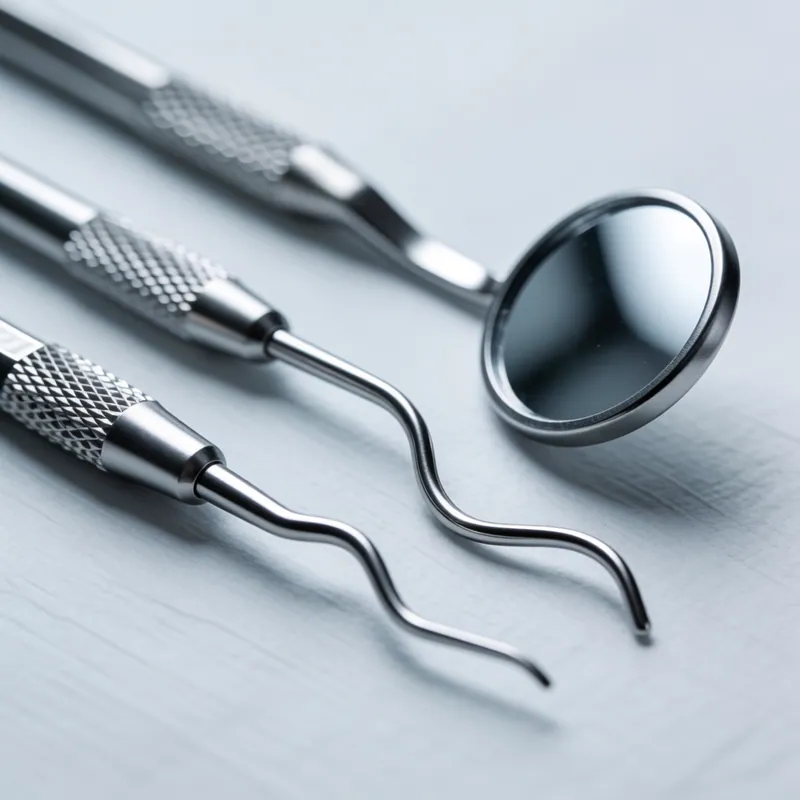
Proper scaling above and below the gum line, then polishing — because a scaled tooth that has not been polished is rougher than it was before and picks up plaque faster.
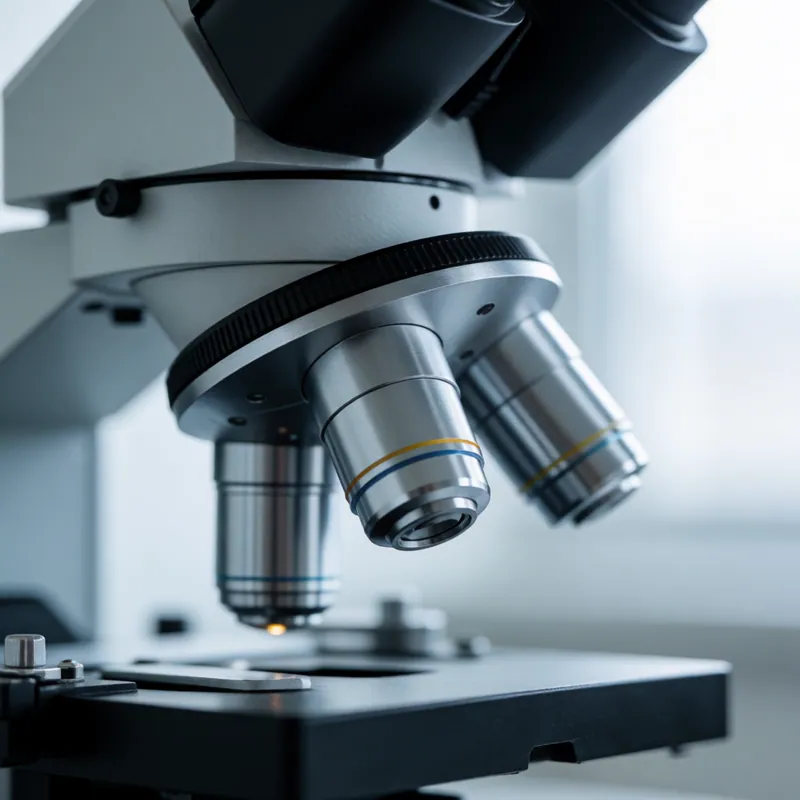
A lump, an ear swab or a skin scrape examined here, usually during your appointment. Most of the time it turns an unknown into a known before you have left the building.
The honest limit
A digital x-ray unit does not read a fracture. It produces an image, and somebody still has to know what a healing greenstick fracture looks like in a nine-week-old puppy, which is not the same thing a fractured growth plate looks like. A monitor does not decide an anaesthetic is going wrong. It reports a number, and a technician who is not watching four other animals at the same time has to decide what that number means for this one.
Every piece of equipment on this page makes a trained veterinarian or technician faster and more certain. None of it makes an untrained one competent, and none of it substitutes for the time it takes to actually look. That is the whole argument for asking who is running the equipment as well as what the building owns, which is why we would rather you met the team than toured the equipment room on its own.
This is general information, not veterinary advice. This page describes a service. It is general information and it is not veterinary advice, a diagnosis or a treatment plan for any particular animal, because no page can examine your pet. If your animal is unwell, injured or behaving unusually, speak to a licensed veterinarian who can actually see it. In an emergency contact your own veterinarian or a 24-hour emergency animal hospital immediately.
Read more
Seven salaried people, and how anaesthesia is actually monitored. Meet the team.
Where each piece of equipment actually sits in the building. The practice.
Real prices for the common tests and procedures. See the price list.
Questions
Most in-house haematology and biochemistry results are back within the hour, often while you are still in the building. That speed is the entire point of running the laboratory ourselves rather than sending every sample out — for a collapsed or seriously unwell animal, an hour rather than a day can be the whole treatment decision.
No. Both require equipment and, usually, a general anaesthetic for the imaging itself, and we would rather refer you to a specialist imaging centre that runs this equipment daily than own a machine we could not justify keeping current. We will make the referral and send our own findings ahead of you.
Because an animal will not hold a small sensor still against the inside of its own mouth for the several minutes a full-mouth series takes, and roughly half of dental disease sits below the gum line where no amount of holding still would let us see it without an x-ray anyway. Every dental patient is anaesthetised and monitored regardless of how healthy the mouth looks from the front.
For your animal, mainly in radiation exposure and speed: a digital sensor produces a usable image at a lower dose than film, and it appears on screen in seconds rather than after a processing step, which usually means fewer repeat exposures to get a diagnostic image in the first place.
Continuous ECG, blood pressure, oxygen saturation, exhaled carbon dioxide and temperature, read by a named technician whose only task for that hour is watching those numbers and your animal, not a machine left to alarm on its own. Active warming runs throughout, because a cold anaesthetic patient recovers worse than a warm one.
Some do — certain hormone assays and specialist pathology are not practical to run in a general practice laboratory and go to a reference laboratory instead, usually returning in two to five days. We will always tell you at the time of sampling whether a result is coming back today or later in the week.
A written estimate before anything is booked
We hold same-day appointments back on every single day of the week for animals that were well yesterday. Call the practice and describe what you have noticed, and the desk will book you at the right speed rather than the soonest one.