Is something wrong right now? If your pet is struggling to breathe, has collapsed, is bleeding heavily, cannot pass urine, has a swollen hard abdomen, is having a seizure, has been hit by a car, or has swallowed something you think is poisonous, this is an emergency. Call us before you set off so we can be ready for you, and if we are closed call a 24-hour emergency hospital straight away. Do not wait to see whether it settles. Call 000-000-0000
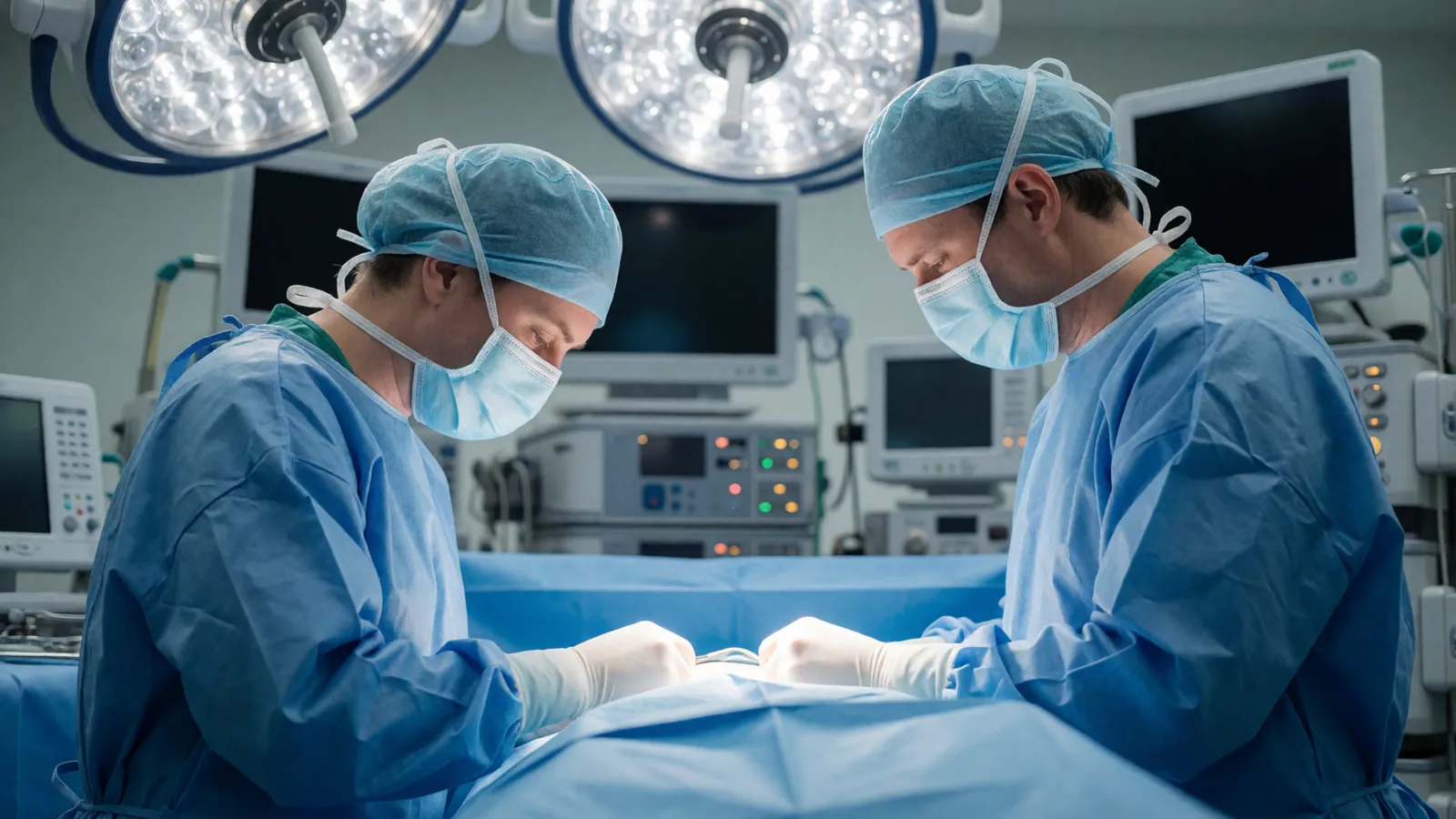
Pet surgery in Woodside, NY, in the soft tissue sense, covers the surgical work that is not dental, not neutering, and not bone or joint — lump removal, wound repair, and a range of other procedures on skin, muscle and abdominal organs. Lump removal starts from $480 and wound repair starts from $320, and both prices genuinely vary with size, location and complexity in a way a flat number could never reflect honestly. What both share is the same rule: nothing is scheduled for theatre until you have a written, itemised estimate in your hand.
Some of what falls under soft tissue surgery is referred elsewhere, and we would rather say so plainly than take on a case we are not the right practice for. Straightforward lump removals, most wound repairs, and a good deal of general abdominal surgery are done here by Dr. Nikhil Raman, our Head of Surgery — see /team.html. Complex thoracic surgery, some cancer surgery needing a wider surgical margin than a lump removal, and cases needing equipment or a caseload we do not carry get referred to a practice set up specifically for them, and we stay involved in that referral rather than simply handing you a name.
Every mass we remove, however small and however confident we are about what it looks like, goes to the laboratory for histopathology afterwards. A lump that looks and feels exactly like a benign fatty lump can occasionally turn out to be something else under a microscope, and the only way to know for certain is to look — removal without a laboratory result answers what the lump was doing to your animal, not what it actually was. We treat the two as separate questions and answer both.
What we do here, and what we honestly refer out
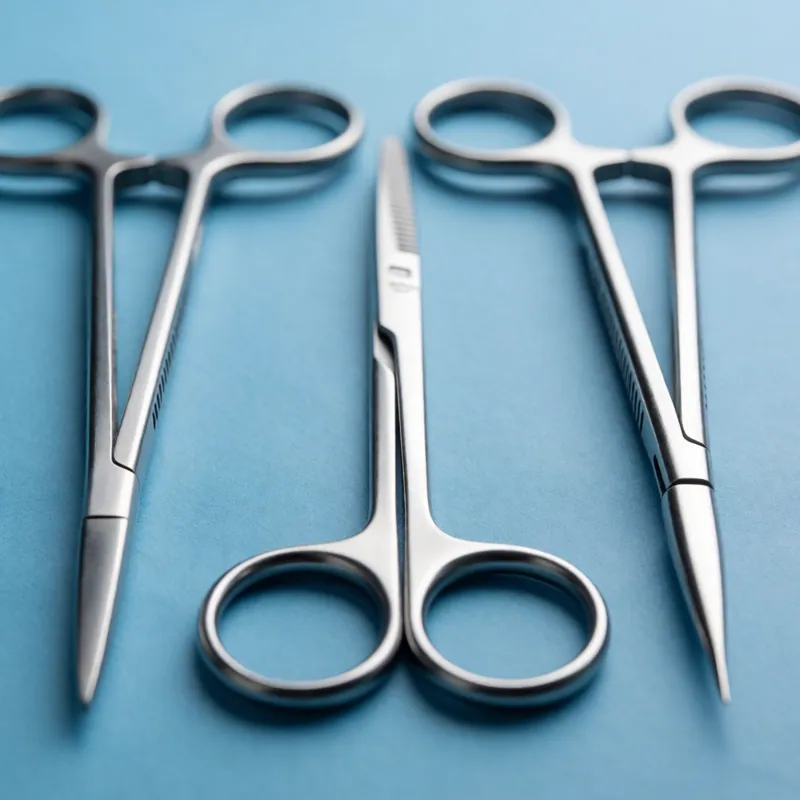
Soft tissue surgery covers a wide range, and not all of it belongs in the same building.
Lump and mass removal
The most common soft tissue procedure we perform, priced from $480 depending on the size, location and depth of the mass and how much margin of healthy tissue needs to come out around it. A lump near a joint or over a bony area is a different job from the same-sized lump on a flank, and the estimate reflects that.
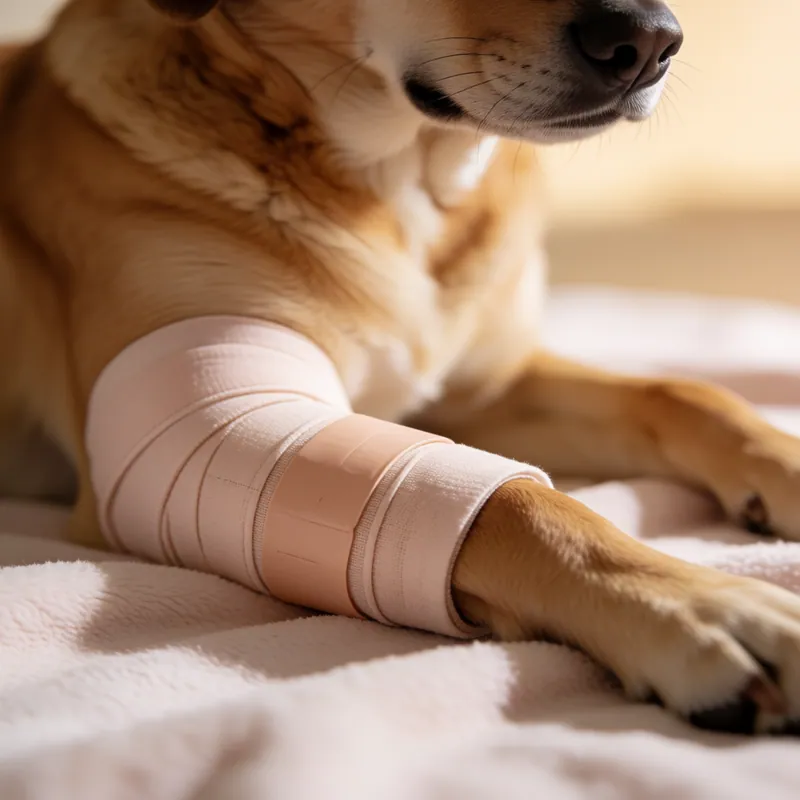
Wound repair
From bite wounds and lacerations to a degloving injury from a fence or a car, priced from $320 and depending entirely on how much tissue is affected and how it needs to be closed. Some wounds close directly; others need drains, staged closure over several visits, or a skin flap. A wound that is bleeding heavily or gaping widely is an emergency — see /emergency-checklist.html — rather than something to book in for later.
General abdominal surgery
Exploratory surgery for a suspected foreign body, bladder stone removal, and a range of other abdominal procedures are carried out here in one of our two surgical theatres, with the same monitoring standard as every other anaesthetic we run. Recovery is watched in the same recovery ward as every other surgical patient, and a written estimate covers the procedure and the anaesthetic before your animal goes anywhere near the theatre.
What genuinely gets referred, and why
Complex thoracic and cardiac surgery, cancer surgery needing a wider resection than we are set up to reconstruct, and cases needing specialised equipment or a much larger surgical caseload than we carry are referred to a practice built specifically for them. We would rather send you somewhere better equipped than attempt a case here that deserves a bigger team. This is a small list in practice, since most soft tissue work genuinely belongs here, but where a case sits matters more than any convenience to us in keeping it in the building.
What a referral actually looks like
We call ahead, send your animal's full record and any imaging, and stay in contact with the receiving practice rather than disappearing from the process once the referral letter is sent. Most families come back to us afterwards for the follow-up care and everything else, and we would rather keep that relationship than pretend we can do a case we are not suited to.
The estimate-before-theatre rule, and why it matters here specifically
Soft tissue cases are the ones most likely to change once we are actually looking at the tissue, which is exactly why the rule exists.
What the written estimate covers
The procedure itself, the anaesthetic, monitoring, any imaging needed beforehand, pain relief, and the expected laboratory fee if a mass is being removed — itemised so you can see what each part costs rather than a single bundled number you cannot examine. You can ask what any individual line means or whether it can be adjusted, and the estimate is written in the same plain language we use when we talk to you in the room.
Why soft tissue cases sometimes change once we are in theatre
A lump that looks contained from the outside can occasionally extend further than expected once the incision is made, or a wound can reveal more damaged tissue underneath than was visible at the surface. Where that happens and it is safe to pause, we stop and call you with a revised estimate before continuing. This happens occasionally rather than often, and it is precisely the situation the estimate-before-theatre rule exists to protect you from being surprised by.
When we cannot pause and call
Occasionally stopping mid-procedure would put the animal at greater risk than continuing — an example is an actively bleeding vessel found once a mass is partly removed. In that specific situation we finish what is necessary for your animal's safety and explain it fully afterwards, without charging you for the part of the surprise that could not have been avoided.
Second opinions before committing to surgery
A full review of an existing diagnosis with your records, and an honest answer about whether we agree. We will tell you plainly if we agree with a prior recommendation, which is most of the time, before you commit to a procedure on the strength of it. It costs $110 and includes reviewing any imaging or test results you already have, so you are paying for a genuine second look rather than a repeat of the first consultation.
What happens if you decide against surgery
Nothing. We will tell you honestly what watching and waiting looks like for a specific lump or wound, including what would change our advice, and there is no pressure and no repeat sales conversation at the next visit. Some lumps genuinely are safe to monitor rather than remove. We will suggest a sensible interval to have it checked again, in person, so a genuinely changing lump is caught early without every lump automatically becoming a surgery.
Histopathology, and what happens to what we remove
Removing something and knowing what it was are two separate steps, and we do not treat the first as a substitute for the second.
Why every mass goes to the laboratory
A lump's appearance and feel under examination is a reasonable guide but not a diagnosis, and an experienced eye can still be wrong about what a mass actually is. Sending it to the laboratory after removal answers that question with certainty rather than confidence, for a fee that is a small fraction of the surgery itself. We would rather spend that small amount on every mass than be confident and occasionally wrong about something that mattered.
What the result actually tells you
Whether the mass was benign or something that needs a different conversation, whether the margins removed were clear or narrow, and in some cases what, if anything, should be monitored for afterwards. We call to go through the result with you rather than send a report and leave you to interpret it. That conversation happens by phone, in plain language, with time for questions, rather than as a line item on an invoice you find out about later.
In-house cytology versus laboratory histopathology
A needle sample examined here during your appointment, for $85, gives a same-visit indication of what a lump might be and helps decide whether removal is urgent. Histopathology on the fully removed mass is a more definitive answer than a needle sample can ever give, because the whole structure, not a few cells, is examined. Cytology is a useful first step for deciding how quickly to act; histopathology is the answer you actually keep on file.
What happens with a result you were not expecting
We call you directly, explain exactly what the result means in plain language, and set out what, if anything, happens next, whether that is nothing further, a wider follow-up surgery, or a referral for specialist input. You are never left to find out from a letter alone. We would rather give you time on the phone to ask every question you have than deliver difficult news efficiently and move on to the next call.
The record it leaves behind
Every histopathology result is kept permanently against your animal's file, so if a similar lump appears somewhere else later, we already know what the first one was and whether that changes how quickly the new one should be looked at. This matters most for animals prone to multiple lumps over a lifetime, where the pattern across several results is often more informative than any single one on its own.
Soft Tissue Surgery in western Queens
Lump removal and wound repair carried out here, with an honest line drawn at what genuinely needs a referral practice, a written estimate before anything goes to theatre, and histopathology sent on every mass we remove.
It starts the same way whatever you are here for: a full examination with time to talk, what we found explained in plain English, and a written estimate for anything beyond the consultation before it happens. You are entitled to take that estimate away and think about it, and to ask what happens if you do nothing. That last one is a real question and it gets a real answer.
This is general information, not veterinary advice. This page describes a service. It is general information and it is not veterinary advice, a diagnosis or a treatment plan for any particular animal, because no page can examine your pet. If your animal is unwell, injured or behaving unusually, speak to a licensed veterinarian who can actually see it. In an emergency contact your own veterinarian or a 24-hour emergency animal hospital immediately.
Questions
Soft Tissue Surgery — the questions we are asked most
How much does lump removal cost for a dog or cat in Woodside, NY?
Lump removal starts from $480, and the final figure depends on the size, location and depth of the mass, and how much healthy tissue needs to come out around it as a margin. You get a full written estimate after an examination and before anything is booked into theatre, and every mass we remove is sent for histopathology afterwards as a separate, itemised cost.
How much does wound repair cost?
From $320, and wound repair is one of the hardest things to price without seeing the animal, because a small clean laceration and a significant degloving injury are entirely different amounts of surgical time and materials. We examine the wound, tell you honestly what closure it needs, and give you a written estimate before proceeding, whether that is same-day or over several staged visits.
Do you handle all types of pet surgery, or do you refer some cases out?
Both, honestly. Lump removal, most wound repair, and a good deal of general abdominal surgery are done here. Complex thoracic or cardiac surgery, cancer surgery needing a wider resection than we are equipped to reconstruct, and cases needing specialised equipment we do not carry are referred to a practice built specifically for them. We would rather refer a case than attempt one we are not the right practice for.
What happens to a lump once it is removed?
It goes to the laboratory for histopathology, which examines the actual tissue rather than relying on how it looked or felt during the examination. We call you directly to explain the result in plain language and set out what, if anything, happens next — most results confirm what we expected, and some change the plan entirely.
Why do you send every mass to the laboratory, even ones that look harmless?
Because appearance and feel are a reasonable guide but not a reliable diagnosis, and an experienced eye can still be wrong about what a particular mass is. Histopathology answers that question with certainty for a fee that is a small fraction of the surgery itself, and it also tells us whether the margins removed were clear, which matters for what happens if anything similar appears again.
Will you tell me if surgery is not actually necessary?
Yes, and it happens regularly. Some lumps are genuinely safe to monitor rather than remove, and we will tell you plainly what watching and waiting looks like, including what would change our advice. There is no pressure to book surgery you do not need, and no repeat sales conversation about it at the next visit if you decide against it.
What if you find something more serious once surgery has started?
We stop and call you with a revised estimate wherever it is safe to pause, describing exactly what we found before continuing. The only exception is a situation where stopping would put your animal at greater risk than continuing, such as an actively bleeding vessel — there, we do what is necessary for safety and explain it fully afterwards, without charging you for that specific part of the surprise.
Can I get a second opinion before agreeing to soft tissue surgery?
Yes, for $110, including a full review of your animal's records and any existing imaging or recommendations. We will tell you plainly if we agree with a prior recommendation, which is more often than not, and a second opinion that confirms the first one is still worth having before committing to surgery. It is also a sensible option if you simply want another set of eyes on the plan, not only when you disagree with what you have already been told.
Related
Usually booked alongside this
Surgery & Dentistry
Dental Cleaning
Full-mouth digital dental radiographs before every scale and polish, because the disease that actually matters sits below the gum line where an examination alone cannot see it. From $75 for the dental examination and estimate.
Read more
Surgery & Dentistry
Extractions & Oral Surgery
Simple and surgical extractions priced and explained before anything is removed, feline resorptive lesions found on radiograph rather than guessed at, and the plain truth that most animals eat better once a painful tooth is gone.
Read more
Surgery & Dentistry
Spay & Neuter
Cat and dog spay and neuter surgery priced by weight and species, timed to your particular animal's breed and size rather than a fixed age, with anaesthetic monitoring, pain relief to go home and the post-operative check all included.
Read moreA written estimate before anything is booked
Book an appointment
We hold same-day appointments back on every single day of the week for animals that were well yesterday. Call the practice and describe what you have noticed, and the desk will book you at the right speed rather than the soonest one.