Is something wrong right now? If your pet is struggling to breathe, has collapsed, is bleeding heavily, cannot pass urine, has a swollen hard abdomen, is having a seizure, has been hit by a car, or has swallowed something you think is poisonous, this is an emergency. Call us before you set off so we can be ready for you, and if we are closed call a 24-hour emergency hospital straight away. Do not wait to see whether it settles. Call 000-000-0000
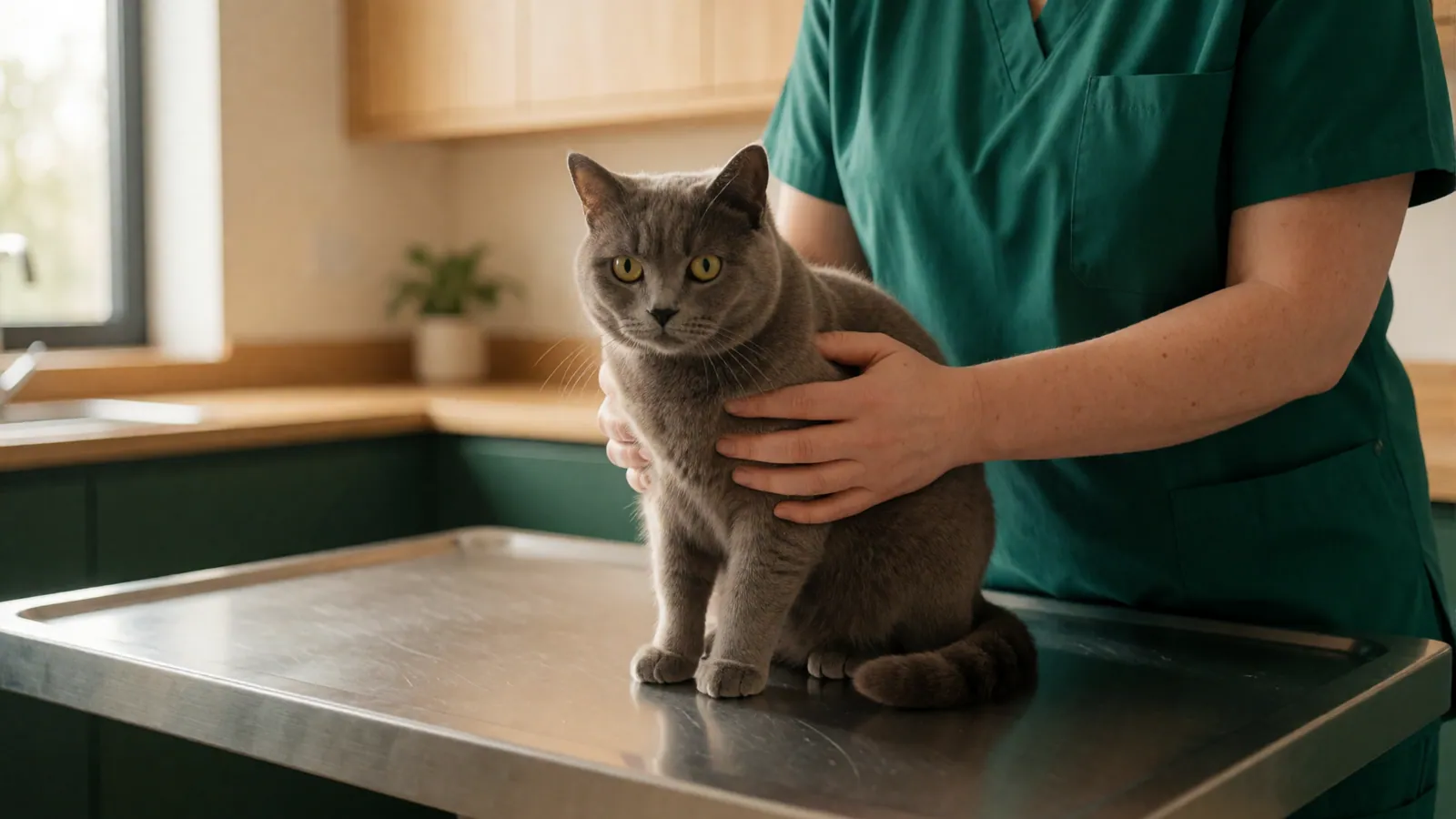
A pet wellness exam in Woodside, NY should mean the same thing every time: a full nose-to-tail examination, a weight recorded and compared with the last one, and a written plan for the months ahead, not a two-minute look while a vaccination is given. We check eyes, ears, teeth, heart, lungs, abdomen, joints, coat and skin, in that order, on every single animal, whether the visit was booked for a vaccination, a limp, or simply because it was due. The $75 price includes all of it, along with the consultation itself.
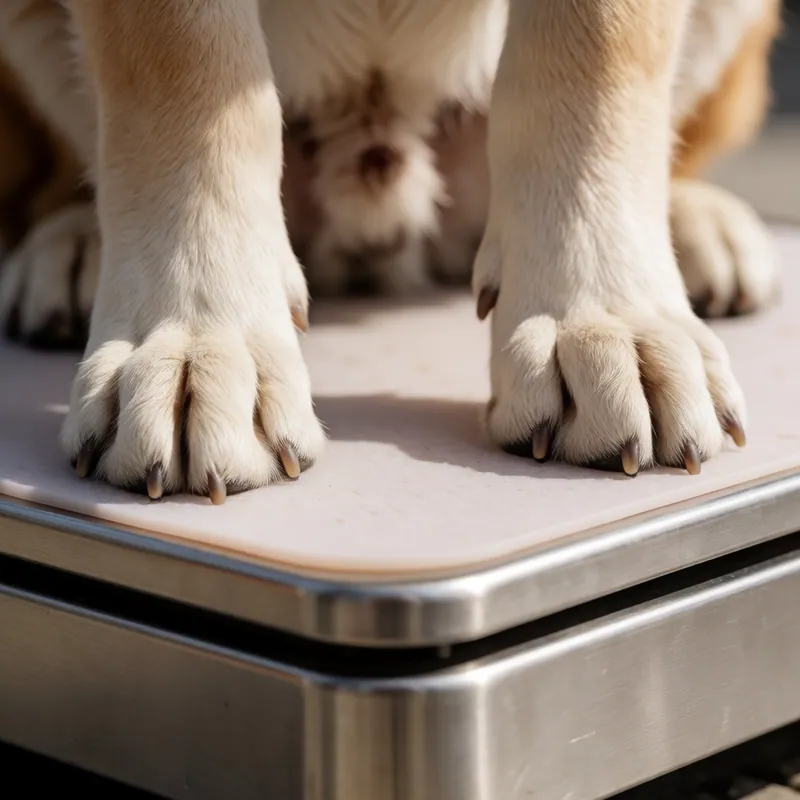
Weight is the single most useful number in the file, which is why every animal is weighed at every visit rather than only when it looks relevant. A cat that has quietly lost a kilo over two years often looks completely normal to an owner who sees it every day, and a number on a chart catches that change long before a coat or an appetite would show it. The same is true in reverse — a slow gain that becomes joint strain years later is easiest to head off while it is still a small number on a page.
Past about seven for a dog or ten for a cat, a standard wellness exam becomes a senior health check, at $145, and the extra time buys blood pressure measurement, a urine sample and a senior blood panel alongside the same nose-to-tail examination. Kidney and thyroid disease both look, from the outside, exactly like an animal simply slowing down with age, and the only way to tell the difference is to look. Dr. Grace Lim leads most of the senior and feline work here, and her clinics run deliberately slower than a routine visit.
What is actually examined at a wellness exam
The same nose-to-tail order, on every animal, regardless of what the visit was booked for.
Eyes, ears and mouth
Eyes checked for clarity and for the third eyelid sitting where it should, ears checked for odour and discharge before either becomes obvious from across a room, and a look at the teeth and gums that feeds directly into whether a dental assessment is worth booking separately. None of this needs sedation, but skipping it is how early dental disease and ear infections both get missed for months.
Heart and lungs
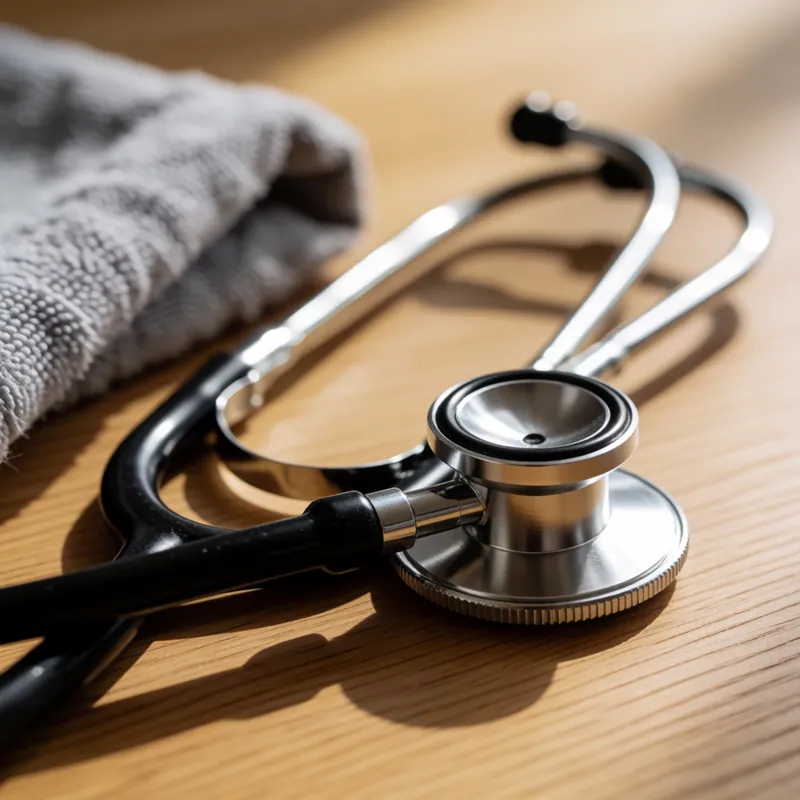
Listened to with a stethoscope for several full breaths and several full heartbeats, not a quick pass across the chest while your animal is still settling onto the table. A murmur, an irregular rhythm or a change in lung sounds from the previous visit is usually found here first, often well before it produces any symptom you would ever notice at home.
Abdomen and body condition
Palpated by hand for organ size, shape and any mass that was not there last time, alongside a body condition score that looks at muscle and fat cover rather than the number on the scale alone. Two animals at the same weight can have very different body condition scores, and the score is often the more useful of the two numbers.
Joints, gait and coat
Watched moving as well as felt at rest, because stiffness that shows up after standing but eases within a few steps is a genuinely different finding from stiffness that never resolves at all. Coat and skin are checked together, since a coat that has become dull, thin or greasy is frequently the first visible sign of something happening underneath it, well before any other symptom appears.
The weight and the written plan
Recorded on a scale at every single visit and compared against the chart rather than judged by eye or guessed from how an animal feels to lift, then followed by a plan you actually leave with — what was found, what it means, and what happens next, on paper or on your phone rather than only spoken aloud in the room and half-remembered by the time you get home.
The senior health check, and what the extra time buys
Three added tests, on top of the same full examination, once your animal reaches its senior years.
Blood pressure, measured properly
Taken in a quiet room and averaged over several readings rather than one, because a single reading taken while an animal is anxious and freshly out of a carrier is not a reliable number on its own. High blood pressure in an older cat in particular is common, largely silent, and directly damaging to the kidneys, eyes and heart over time if it goes unmeasured and untreated.
A senior blood panel
Kidney and liver values, thyroid hormone, and a full blood count, run in-house with most results back within the hour of the same visit rather than sent away and waited on for days. Kidney disease in particular has almost no visible signs until a large share of function is already gone, which is the whole argument for measuring it before symptoms appear rather than waiting for them to show.
Urine testing
Concentration, protein and sediment, which together read the kidneys in a way blood alone cannot, since the kidneys can compensate for a surprisingly long time before a blood value actually shifts. A urine sample that looks perfectly normal to you at home can already show early kidney change under a microscope, months or sometimes years before that blood value ever moves out of its normal range.
A mobility assessment
Joints watched and gently manipulated specifically for arthritis, which is under-reported by owners more than almost any other condition in this age group, because animals compensate quietly for pain and are seen every single day by the people least likely to notice a slow, gradual change happening right in front of them. A dog that has simply 'slowed down' is, more often than owners assume, a dog that is sore.
A quality-of-life conversation, while there is time for one
Not every visit needs this, but from the senior years onward we would rather have the conversation calmly and in advance than for the first time during a crisis, when it is far harder to think clearly. Writing down what a good day currently looks like for your animal — eating, moving, interested in things — gives you something concrete to compare against later, rather than a memory that quietly shifts.
Why the exam matters more than whatever it was booked for
The reason on the appointment card is rarely the most important thing that happens in the room.
Most exams are booked for something else
A vaccination due, a nail trim, a new-patient visit — the wellness examination that happens alongside it is very often what actually finds something, because it looks at the whole animal rather than just the reason written on the appointment card that day. See /pet-vaccinations.html for how vaccination and the exam usually happen together at the same visit rather than as two separate bookings.
The follow-up is usually free
If we find something at a wellness exam and start treating it, the recheck on that specific problem is free for six weeks afterward, which is genuinely different from booking and paying for a second full consultation simply to be told the same thing again by the same veterinarian. It also means there is no financial reason to skip a recheck we have asked for.
Consistency matters more than any single visit
One wellness exam is useful; a chart of them over several years is genuinely more useful, because it is the change between visits — a kilo lost, a new murmur, a joint that has stiffened — that usually matters more than any single reading taken in isolation. That is also why we record everything rather than relying on a veterinarian's memory of a previous visit.
Ask for the same veterinarian
If you have a veterinarian who already knows your animal, ask for them again when you book — continuity is a real part of the exam, not a nicety, because a subtle change is easiest to spot for someone who saw the previous baseline themselves rather than someone reading it cold from a file. We will always try to accommodate that request, though the diary occasionally makes it impossible.
Priced the same as everything else
$75 for the standard exam and $145 for the senior version, both including the consultation itself, and both listed with everything else we do on /pricing.html rather than quoted only over the phone. Nothing beyond either figure gets added on the day without you agreeing to it first, in writing, before it happens, and that has been true since the practice opened.
Wellness Exams in western Queens
A full nose-to-tail wellness exam for $75, or an extended senior health check with blood pressure and a senior blood panel for $145 — both including a written plan you actually leave with.
It starts the same way whatever you are here for: a full examination with time to talk, what we found explained in plain English, and a written estimate for anything beyond the consultation before it happens. You are entitled to take that estimate away and think about it, and to ask what happens if you do nothing. That last one is a real question and it gets a real answer.
This is general information, not veterinary advice. This page describes a service. It is general information and it is not veterinary advice, a diagnosis or a treatment plan for any particular animal, because no page can examine your pet. If your animal is unwell, injured or behaving unusually, speak to a licensed veterinarian who can actually see it. In an emergency contact your own veterinarian or a 24-hour emergency animal hospital immediately.
Questions
Wellness Exams — the questions we are asked most
What happens at a pet wellness exam?
A full nose-to-tail examination — eyes, ears, mouth, heart, lungs, abdomen, joints, coat and skin, in that order — a weight recorded and compared with the last visit, and a written plan for what happens next. It takes about twenty minutes for a routine visit and thirty for a first, senior or unusually anxious appointment, and it happens the same way whether the animal was booked in for the exam itself or for something else entirely.
How much does a pet wellness exam cost in Woodside, NY?
$75 for the standard nose-to-tail examination, including the consultation itself. Past about seven for a dog or ten for a cat, the extended senior health check is $145 and adds blood pressure measurement, urine testing and a senior blood panel to the same visit. Both prices are the real out-the-door figure, not a starting point.
How often does my pet actually need a wellness exam?
Once or twice a year for a healthy adult, and twice a year rather than once from about seven for a dog or ten for a cat. Six months is a genuinely long time in an older animal, and most of what we catch early in that age group is found by hands and eyes at an examination rather than by a test run for another reason.
What is the difference between a wellness exam and a senior health check?
The same full nose-to-tail examination sits at the centre of both. The senior version adds blood pressure measurement, a urine sample and a senior blood panel, because kidney disease, thyroid disease and high blood pressure all tend to arrive quietly at that age and none of them are reliably visible from the outside. The exam finds what an owner would see; the added tests find what an owner cannot.
Why do you weigh my pet at every single visit?
Because weight is the single most useful number in the file, and a change is very often invisible to someone who sees the same animal every day. A cat that loses a kilo over two years usually still looks and behaves normally to its owner right up until the loss is significant, and a chart of visits catches that change months before anything else would.
Can a wellness exam happen at the same visit as a vaccination?
Yes, and most of ours do — a due vaccination is one of the most common reasons a wellness exam gets booked in the first place, and combining the two is more efficient than two separate visits. See /pet-vaccinations.html for how the timing usually lines up. The examination happens regardless of whether a vaccination is actually due that day.
Will you tell me if my pet does not need anything done at the exam?
Yes, and it happens regularly. A wellness exam exists to check, not to justify its own cost by finding something every single time, and if everything looks the way it should we will tell you exactly that in plain terms. You will be booked for the next sensible interval rather than a sooner one invented to fill the diary or to justify the visit.
What should I bring to a wellness exam appointment?
Your animal, secured — a carrier for a cat or small mammal, a lead for a dog — and anything you have noticed, even if it seems minor: a change in appetite, thirst, energy or toileting is often more useful to us than you would expect. If a symptom is intermittent, a short phone video of it is frequently worth more than a description given in the room.
Related
Usually booked alongside this
Wellness & Prevention
Pet Care
Everything routine pet care covers in Woodside, NY, from a puppy's first visit through a senior's twice-yearly check-up, with the specific service, the actual interval and the price for each one.
Read more
Wellness & Prevention
Vaccinations
Core vaccines for dogs and cats, the rabies vaccination New York State requires, and an honest answer about titre testing — each priced plainly and given at the interval that actually protects your animal.
Read more
Wellness & Prevention
Parasite Prevention
Flea and tick treatment, heartworm prevention and worming, prescribed to your animal's actual weight rather than sold off a shelf, from $18 a month, with a $45 faecal screen for what a coat alone cannot show.
Read moreA written estimate before anything is booked
Book an appointment
We hold same-day appointments back on every single day of the week for animals that were well yesterday. Call the practice and describe what you have noticed, and the desk will book you at the right speed rather than the soonest one.