Every 3 to 4 weeks
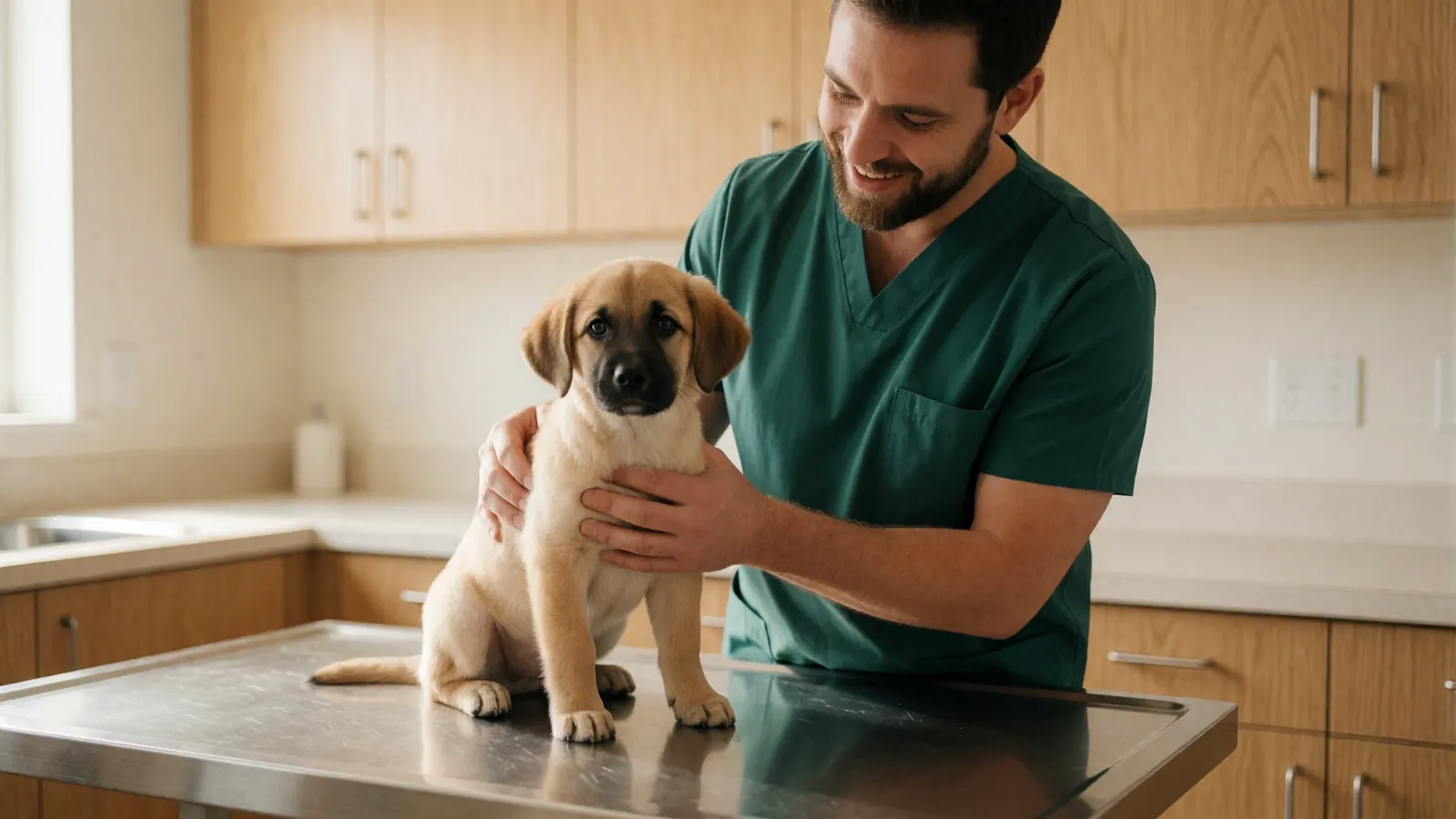
Puppies and kittens, 6 to 16 weeks
- A full examination at each visit, and a weight recorded every time
- The core vaccination course, given at intervals rather than all at once
- Worming repeated at intervals appropriate to age
- Microchipping, usually at the second or third visit
- A conversation about diet, toilet training, socialisation and what is normal
This is the one stretch of an animal's life where the visits are close together and every one of them matters. A vaccination course works because of the intervals between the doses, not because of the number of them, so a missed appointment usually means restarting rather than catching up.
Once or twice a year
Young adult, 6 months to 2 years
- A wellness examination and weight check
- Neutering discussed and timed to the breed rather than to the calendar
- Booster vaccinations as they fall due
- Year-round parasite prevention, adjusted as the animal reaches adult weight
- A baseline set of blood values taken while the animal is well
The baseline blood panel is the item people skip and later wish they had not. Knowing what an animal's normal looks like while it is healthy is what lets a later result be read as a change rather than as a number in a range.
Once a year, twice is better
Adult, 2 to 7 years
- A full wellness examination, nose to tail
- Dental assessment, and a written recommendation if a dental is due
- Boosters and parasite cover reviewed against actual lifestyle
- Weight and body condition scored and compared with last year
- An annual blood and urine screen from about five years old
These are the quiet years, and the temptation is to skip them. The examination is worth more than it looks: most of what we catch early in this period — a heart murmur, a growing lump, a mouth that has quietly become painful — is found by hands and eyes, not by a test.
Twice a year
Mature, 7 to 10 years for dogs, 10 to 12 for cats
- Two wellness examinations a year rather than one
- Blood and urine screening annually, including kidney and thyroid values
- Blood pressure measured, particularly in cats
- A mobility assessment — most arthritis in this group is never reported by owners
- Diet reviewed against changing weight and muscle mass
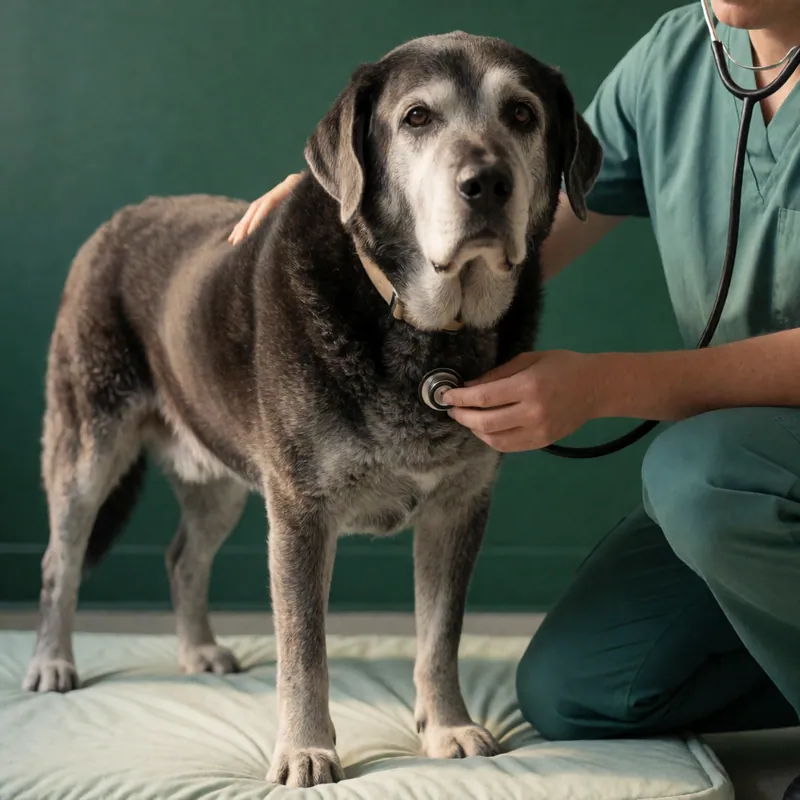
Six months is a long time in an older animal. Half of the conditions we find in this group were not present at the previous visit, and almost none of them were noticed at home first, because animals compensate quietly and owners see them every day.
Every three to six months
Senior
- Examinations on the shorter interval, with weight tracked every visit
- Twice-yearly bloods, urine and blood pressure
- A written quality-of-life assessment, reviewed with you
- Pain reviewed specifically rather than assumed to be age
- A conversation about what you want and do not want, before it is urgent
The most useful thing we do in this period is write down what good days look like for your animal while there are still plenty of them. It turns a decision that is otherwise made in a panic into one you have already thought about calmly.
A common question
How often should a cat see a vet?
At minimum, once a year as an adult and twice a year from around ten onward — and that is before anything has obviously gone wrong. Cats are quiet about being unwell in a way dogs generally are not, so the examination is doing the work that a symptom would otherwise have to do.
A cat that seems fine at home is not the same thing as a cat with nothing wrong. Hyperthyroidism, kidney disease and dental pain are all things we regularly find in a cat whose owner had noticed nothing at all, because a cat compensates quietly and is seen by its owner every single day — exactly the condition under which slow change goes unnoticed. An indoor cat is not exempt from this schedule; indoor cats get most of the same diseases outdoor cats do, just not the traffic accidents and the fights.

Read this part
A default schedule, not a prescription for your animal
This table is a sensible default, not a prescription for your animal. Breed, size, lifestyle, existing conditions and what we find at each examination all move these intervals, sometimes a long way. A giant-breed dog is geriatric at six; a small indoor cat may be middle-aged at twelve. We will tell you where your animal actually sits, and we would far rather revise this schedule for you than have you follow it exactly.
Nothing on this page is a substitute for a veterinarian examining your particular animal. Breed, health history and what we actually find at each visit all move these intervals, sometimes a long way, and we would rather revise the schedule in front of us than have you follow a table exactly.
Questions
The vaccination and care schedule — questions we are asked most
What is the puppy vaccination schedule?
A course given roughly every three to four weeks from six to sixteen weeks old, alongside a full examination, a weight check and worming at every visit. The exact number of doses and the exact interval depend on your puppy's age at the first visit and what, if anything, it has already had — we set out the specific dates for your puppy at that first appointment rather than apply a generic count.
How often should a cat see a vet?
Once a year as a healthy adult, twice a year from around ten years old, and sooner than either if anything changes at home. Cats hide illness well, so the routine examination is often the only thing that catches a problem before it becomes obvious.
What happens if we miss a scheduled puppy or kitten visit?
Call us rather than skip it. A vaccination course works because of the spacing between doses, so a long gap usually means part of the course needs repeating rather than simply continuing where you left off, and we will tell you honestly which is true for the gap you have.
Do indoor-only cats need the same vaccinations as outdoor cats?
The core vaccinations, yes — some of what they protect against can arrive on your shoes or through an open window, not only from another cat outdoors. What can genuinely change for an indoor cat is which additional, non-core vaccinations make sense, and that is a conversation we have at the appointment, not a default we apply to every cat.
Does the schedule change for a giant-breed dog or a small breed?
Yes, particularly around when we discuss neutering and when we start calling an animal a senior — a giant-breed dog is often geriatric by six or seven, while a small breed may not reach that stage until well into its teens. We tell you where your specific dog sits rather than apply one age to every size.
Will you remind us when the next vaccination is due?
Yes. We tell you the date before you leave and follow up if it passes without a visit, but the schedule is something we manage together — call us if your circumstances change and a date needs moving.
What is the difference between a core and a non-core vaccination?
A core vaccination protects against something serious or common enough that we recommend it for every animal of that species. A non-core vaccination protects against something that matters only for a particular lifestyle — boarding, exposure to wildlife, travel — and we recommend one only where it genuinely applies to your animal.
Puppy, kitten, or somewhere in between
Book the next stage of the schedule
Tell us your animal's age and what it has already had, and we will tell you exactly where it sits on this schedule and what is due next.