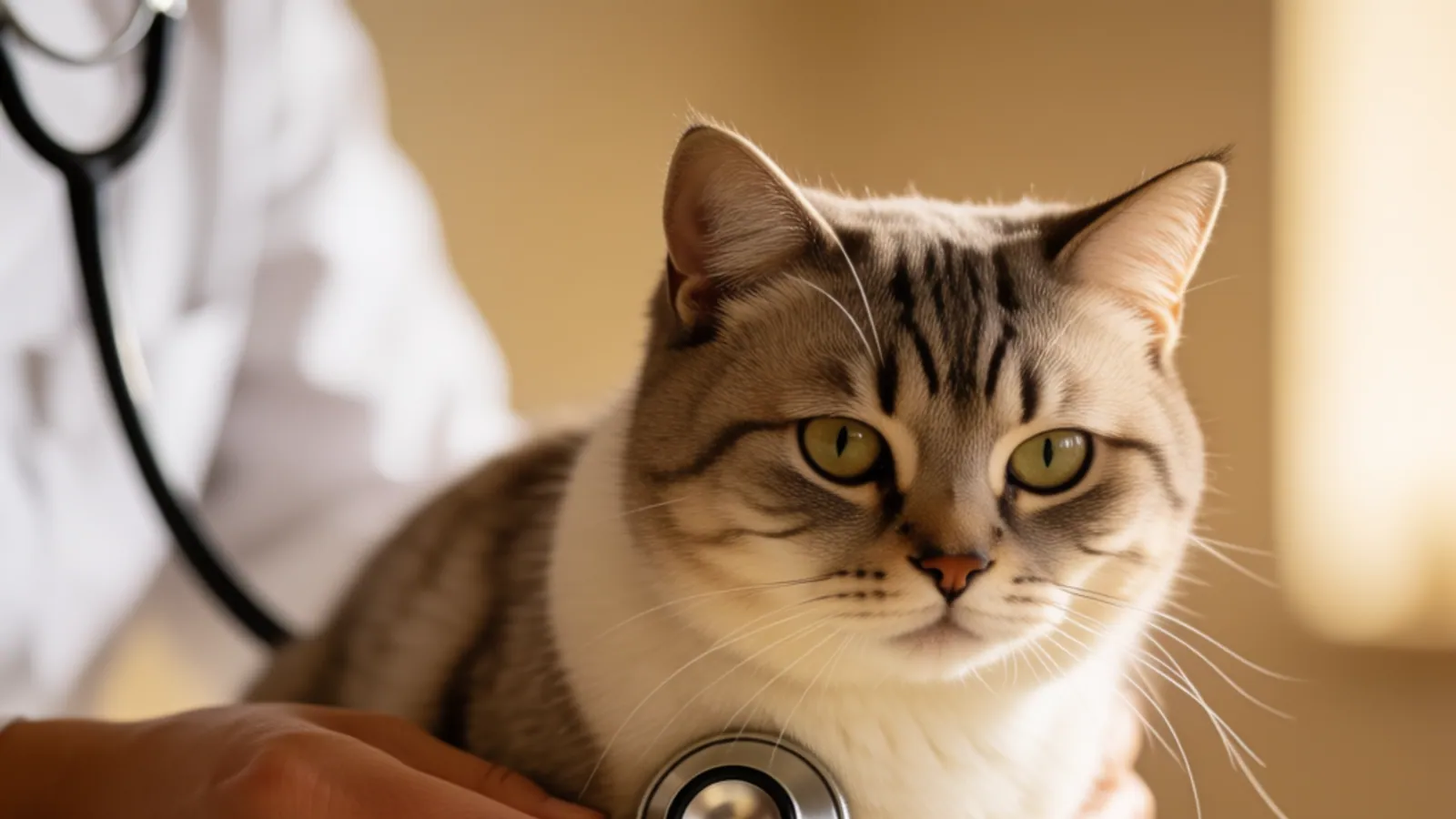
Is something wrong right now? If your pet is struggling to breathe, has collapsed, is bleeding heavily, cannot pass urine, has a swollen hard abdomen, is having a seizure, has been hit by a car, or has swallowed something you think is poisonous, this is an emergency. Call us before you set off so we can be ready for you, and if we are closed call a 24-hour emergency hospital straight away. Do not wait to see whether it settles. Call 000-000-0000
Hiding pain is a survival instinct in both dogs and cats, inherited from animals that could not afford to look weak in front of a predator or a rival, and it does not switch off simply because your kitchen is a safe place. That is part of why owners under-report pain more than almost any other symptom — not from carelessness, but because the animal is doing a genuinely good job of not showing it. A pain assessment here starts from the assumption that what looks like normal ageing is worth checking properly, rather than waiting for an animal to show you obvious distress.
A dog in pain more often shows it through behaviour a family already knows well going slightly wrong — reluctant to jump in the car, slower on the stairs, irritable when touched in one particular spot, or panting at rest for no obvious reason. A cat in pain tends to withdraw rather than complain: sleeping more in one spot, missing the litter tray because the sides are suddenly too high a step, grooming less, or simply being less present in the room than they used to be. Neither pattern reads as an emergency, which is exactly why both get dismissed as ageing rather than investigated as pain.
Effective pain management is rarely one product doing all the work — it is usually several approaches layered together, adjusted as we learn how your particular animal responds, and reviewed rather than left unchanged for years. What we will never do is tell you what to give your animal from your own medicine cabinet: several common human painkillers are genuinely dangerous to dogs and cats, and the safe answer is always the same regardless of what you are looking at on the shelf — do not give it, and call us first. See /end-of-life-care.html for how pain is assessed at the far end of a long life.

Recognising pain your animal is not going to announce
Most pain in animals looks nothing like the wincing, limping picture people expect.
Slower on stairs, reluctant to jump
A dog that hesitates before stairs, needs a run-up to get into the car, or has stopped jumping onto furniture it used to use freely is very often describing joint pain rather than a training lapse or simple laziness. These changes tend to arrive gradually enough that a family living with the dog every day genuinely does not notice until someone else points it out, which is exactly why a specific mobility question at every visit finds more than a general 'how is he doing' ever will.
A cat that grooms less, or in the wrong places
Cats in pain often groom less overall, or groom excessively over one painful joint or area while neglecting the rest of their coat, leaving a dull, unkempt look that is easy to blame on age rather than discomfort. A cat that has stopped reaching its back end to groom, or that suddenly cannot manage the sides of a tall litter tray, is telling you something specific about where the pain actually is, if anyone is looking for it.
Changes in sleep, and where they choose to sleep
An animal in pain often sleeps more overall but less deeply, and frequently moves to a different, usually flatter or warmer, spot than the one it always chose before — off the bed and onto the floor, away from a cold tile and onto a heated vent. A change in preferred sleeping place that has lasted more than a week or two is worth mentioning at any appointment, even if nothing else seems obviously wrong.
Irritability or hiding when normally sociable
An animal that growls, hisses or moves away when touched in a way it previously tolerated is not becoming badly behaved; it is very often protecting a part of its body that hurts. This is one of the most commonly misread pain signs there is, because it looks like a change in temperament rather than a physical symptom, and it is frequently managed as a behaviour problem before anyone considers pain as the actual cause.
Panting, pacing or restlessness with no obvious cause
Panting at rest, pacing rather than settling, or repeatedly getting up and lying back down in a different position can all be signs of discomfort rather than simply feeling warm or restless, particularly in an older dog on a cool day. None of these signs alone proves pain, which is exactly why they are worth mentioning together at a consultation rather than dismissed individually as nothing much.
What a multimodal pain plan actually involves
The word multimodal simply means more than one approach working together, adjusted as we learn what helps.
A veterinary examination and a written plan
Every pain plan starts with an actual examination — watching your animal move, feeling each joint individually, and asking specific questions about the behaviours described above — rather than a medication handed over on the strength of a general impression that he is slowing down. You leave with a written plan that sets out what is being tried, what we expect to see if it is working, and when we will check back in.
Medication prescribed and adjusted by a veterinarian
Where medication is part of the plan, it is prescribed specifically for your animal's species, size, age and other health conditions, and adjusted over time based on how your animal actually responds rather than left unchanged indefinitely. We will explain what it is for and what to watch for, and we will always be the ones deciding the dose and the schedule — never a guess made at home.
Weight management as pain management
Extra weight loads painful joints with every single step, so a structured weight plan is very often the single most effective thing we do for an arthritic dog or cat, ahead of anything prescribed. It is also the part of the plan an owner has the most direct control over between visits, which makes it worth taking seriously rather than treating as a side note to the 'real' treatment.
Simple changes at home that reduce daily effort
At a consultation we will point out specific, practical changes that suit your particular home — non-slip flooring where a dog has to turn a corner, a ramp instead of a step up to the car, a litter tray with one lower side for a cat with sore hips — because reducing how much effort a painful movement takes helps as much as anything prescribed, and costs nothing beyond the change itself.
Review, rather than a prescription and goodbye
A pain plan is checked and adjusted at a follow-up consultation, not left running unchanged for years on the assumption that if it worked once it still works now. Our Senior Plan includes a written quality-of-life review twice a year for exactly this reason — pain in an older animal tends to change gradually, and a plan that is never revisited eventually stops matching the animal it was written for.
Why 'slowed down with age' is usually the wrong diagnosis
Age is not a diagnosis, and treating it as one leaves real, manageable pain untreated for years.
Arthritis is common, and routinely missed
Joint disease becomes common from middle age onward in both dogs and cats, and it is one of the most under-diagnosed conditions in veterinary medicine, largely because both owners and, sometimes, vets attribute its early signs to ordinary ageing rather than investigating them. A dog or cat is not being dramatic by moving differently at ten than it did at four; something has usually changed, and it is almost always worth finding out what.
Dental pain gets missed because animals keep eating
An animal with significant dental pain very often keeps eating normally, because hunger is a stronger drive than the discomfort of chewing, which means a full mouth of pain can sit undetected behind an owner's confident sense that the appetite is fine. A dental examination looks specifically for this, independent of whether your animal seems to be eating well, because eating well is not the same question as eating comfortably.
A mobility assessment is a specific, structured thing
Rather than a general impression formed while your animal walks across the room, a mobility assessment watches specific movements — sitting, rising, turning, going up and down a step — and scores each one, so that a small change can be tracked over successive visits rather than relying on memory of how things were before. Most arthritis in older animals is never actually reported by the owner; it is found this way instead.
Pain in one animal is not pain in another
A plan built for a large, heavy dog with hip arthritis looks nothing like one built for a small elderly cat with early kidney disease and sore joints, because species, size, weight, other health conditions and even temperament all change what is safe and what will actually help. There is no standard pain protocol we reach for by default; every plan starts from your animal's own examination and history.
The right time to start is before the bad days outnumber the good ones
Beginning a pain plan while an animal is still mostly comfortable, rather than waiting until it is obviously suffering, generally means a smaller, simpler plan that keeps more good days than one started later out of necessity. See /end-of-life-care.html for how we think about quality of life when pain becomes the dominant question rather than one part of a longer conversation.
Pain Management in western Queens
Animals hide pain and owners under-report it, so we look for it directly rather than wait to be told, then build a multimodal plan reviewed over time, not left unchanged for years.
It starts the same way whatever you are here for: a full examination with time to talk, what we found explained in plain English, and a written estimate for anything beyond the consultation before it happens. You are entitled to take that estimate away and think about it, and to ask what happens if you do nothing. That last one is a real question and it gets a real answer.
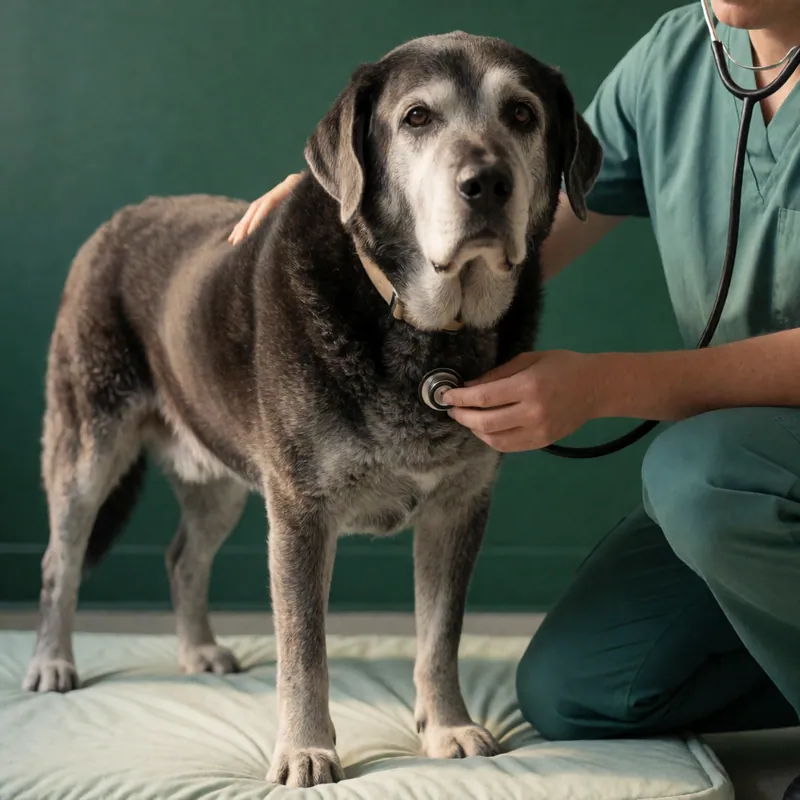
This is general information, not veterinary advice. This page describes a service. It is general information and it is not veterinary advice, a diagnosis or a treatment plan for any particular animal, because no page can examine your pet. If your animal is unwell, injured or behaving unusually, speak to a licensed veterinarian who can actually see it. In an emergency contact your own veterinarian or a 24-hour emergency animal hospital immediately.
Questions
Pain Management — the questions we are asked most
How can I tell if my older dog or cat is in pain?
Look for changes rather than dramatic signs: hesitating before stairs, no longer jumping onto furniture, sleeping in a different spot, grooming less, or becoming irritable when touched somewhere specific. None of these prove pain on their own, but any of them is worth mentioning at a consultation rather than filed away as just getting older. A mobility assessment gives us a structured way to check, and it is a normal part of a senior health check.
Is it safe to give my pet a human painkiller?
No. Several common human painkillers are genuinely dangerous to dogs and cats, sometimes seriously so, even in amounts a person would consider small. Please do not give your animal anything from your own medicine cabinet, whatever you have read about it online, and call us instead — if your animal is uncomfortable, we can usually see them the same day, and we would always rather have that call than find out afterwards.
My vet wants bloodwork before starting pain relief — why?
Long-term pain medication is processed by the liver and kidneys, so checking that those organs are working well beforehand tells us it is safe to start, and rechecking periodically afterwards tells us it is still safe to continue. It is not a delay tactic or an upsell; it is part of managing pain responsibly in an animal, particularly an older one, rather than starting a medication and hoping nothing goes wrong.
What is a multimodal pain plan?
It means combining more than one approach rather than relying on a single product — medication where appropriate, weight management, and practical changes at home such as non-slip flooring or a ramp instead of a step, all adjusted as we see how your particular animal responds. Most animals do better on a combination reviewed over time than on one thing left unchanged indefinitely.
Is my pet just getting old, or are they actually in pain?
Very often the honest answer is the second one wearing the first one's clothes. Age itself is not painful, but many of the conditions that become common with age — arthritis, dental disease, back pain — are, and 'slowing down' is usually how an owner first describes their early signs. A proper examination and a specific mobility assessment can usually tell the two apart.
Can pain management help a cat, or is it mainly for dogs?
Cats benefit as much as dogs, though they show pain very differently — through quiet withdrawal rather than obvious complaint, which is part of why feline pain has historically been under-treated. Cat consultations happen in the cat wing, in cat-only rooms, and take the time a cat actually needs to be examined properly rather than rushed through in the same slot as a dog appointment.
How often will my animal's pain plan be reviewed?
A follow-up consultation checks whether a plan is working and adjusts it if it is not, and how often that happens depends on your animal and what stage the plan is at — closer together at the start, further apart once things are stable. Our Senior Plan builds in a written quality-of-life review twice a year specifically so pain gets reassessed on a schedule rather than only when something visibly gets worse.
What happens if the first approach does not work?
We change it. A pain plan is a starting point, not a final answer, and we would rather adjust it at a follow-up than have you assume nothing more can be done. If your animal's pain is proving genuinely difficult to manage, we may also suggest a second opinion consultation or referral for a more specialised assessment, and we will say so plainly rather than keep trying the same thing indefinitely.
Related
Usually booked alongside this
Urgent & Comfort Care
Urgent Care
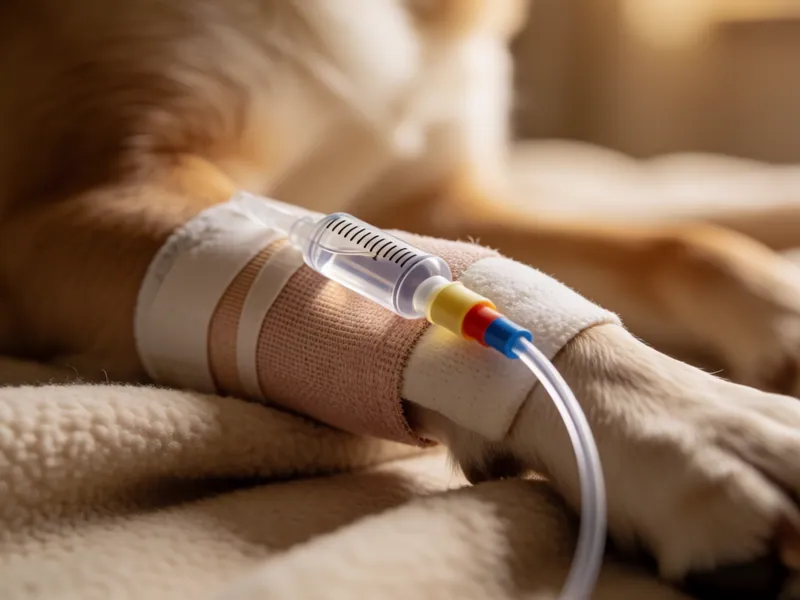
Same-day appointments held back every day for an animal that was well yesterday and is not well today, with plain guidance on the signs that mean call now rather than wait.
Read more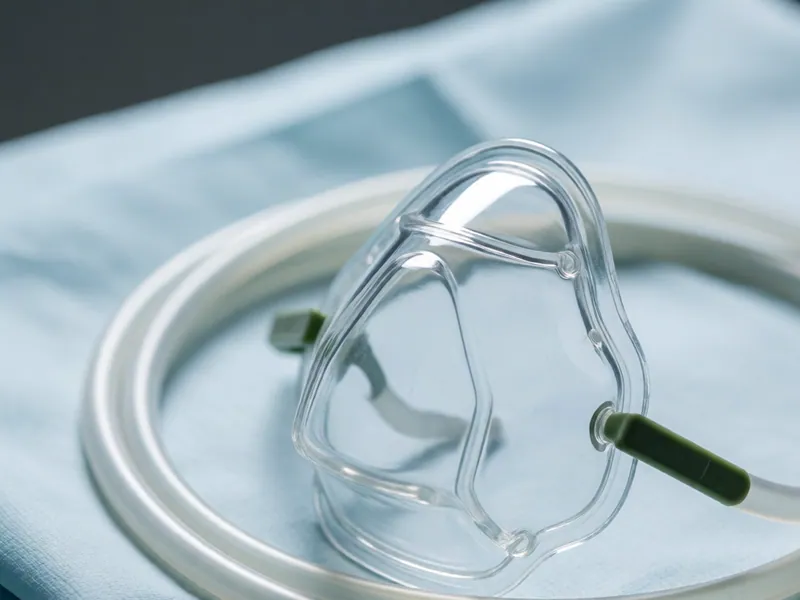
Urgent & Comfort Care
Anaesthesia & Monitoring
Continuous ECG, blood pressure, oxygen and temperature monitoring on every anaesthetic, watched by a named technician whose only task for that hour is your animal, with active warming throughout.
Read more
Urgent & Comfort Care
Hospice & End-of-Life
Quality-of-life assessment while there are still good days, a private comfort room with its own exit and no time limit, home visits, and honest answers about what happens on the day.
Read moreA written estimate before anything is booked
Book an appointment
We hold same-day appointments back on every single day of the week for animals that were well yesterday. Call the practice and describe what you have noticed, and the desk will book you at the right speed rather than the soonest one.