Is something wrong right now? If your pet is struggling to breathe, has collapsed, is bleeding heavily, cannot pass urine, has a swollen hard abdomen, is having a seizure, has been hit by a car, or has swallowed something you think is poisonous, this is an emergency. Call us before you set off so we can be ready for you, and if we are closed call a 24-hour emergency hospital straight away. Do not wait to see whether it settles. Call 000-000-0000
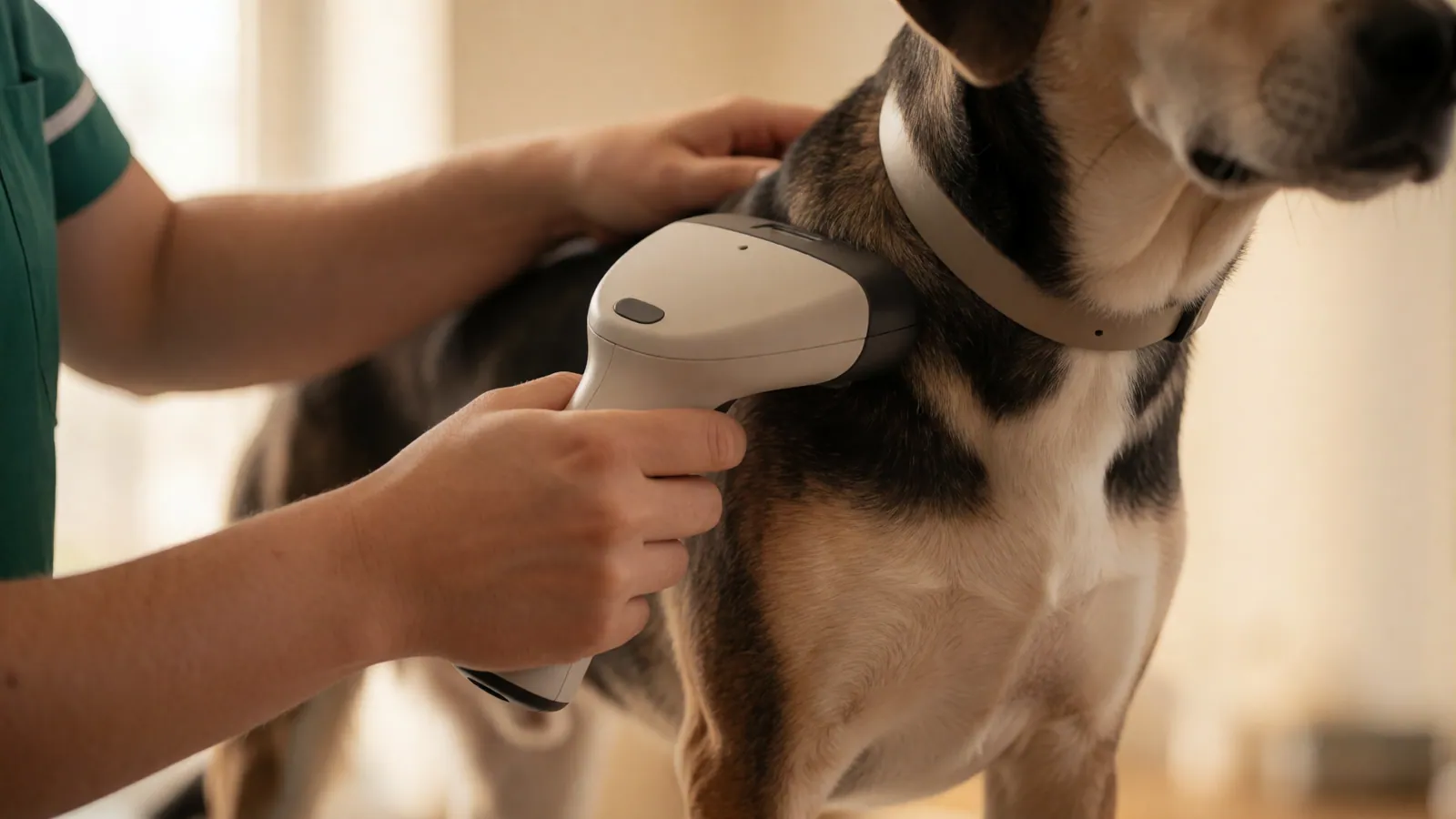
Pet microchipping in Woodside, NY is a permanent, tamper-resistant form of identification about the size of a grain of rice, placed just under the skin between the shoulder blades and read by a handheld scanner that any veterinary practice, shelter or animal control officer carries. It holds a unique number and nothing else — no location, no battery, no signal. What actually reunites a found animal with its owner is that number matched against a registration record on a national database, which is why the $55 price covers the implant, a scan check to confirm it is reading correctly, and the registration itself.
A chip is only as useful as the record behind it, and a stale record is the single most common reason a microchipped animal is not reunited with its owner. If you move, change your phone number, or rehome an animal, the registration has to be updated to match — the chip itself does not know any of that has happened, and a scan against an old address or a disconnected number produces exactly the same result as an animal with no chip at all.
When a found animal is brought to a shelter, an animal control officer or any veterinary practice, one of the first things done is a scan between the shoulder blades. A number that resolves to a current, accurate registration usually means a phone call within the hour rather than a stray sitting in a shelter system for days. We scan any animal brought to us for exactly this reason, whether or not it is registered here, and there is no charge for it. See /new-patients.html if you are microchipping a new addition to your household alongside a first visit.
What a microchip actually is, and is not
A permanent identifier with no battery, no signal and no way of tracking a location.
What is physically implanted
A chip about the size of a grain of rice, placed under the skin between the shoulder blades with a needle, in a procedure that takes only seconds and needs no sedation for the great majority of animals regardless of species or temperament. It has no battery and no moving parts of any kind, and it is designed to remain functional and unmoved in that same spot for the rest of the animal's life.
What it is not: a GPS tracker
A microchip cannot be located on a map, does not transmit any kind of signal, and will not tell you where your animal currently is at this moment, however much the name might suggest otherwise to someone unfamiliar with it. If you want real-time location tracking, that is a separate battery-powered collar device entirely, and a microchip does not replace or duplicate that function in any way.
What the chip actually contains
A single unique identification number, and genuinely nothing else beyond that. It carries no medical history, no owner details and no contact information directly on the chip itself — all of that lives in the separate database registration linked to the number, which is exactly why registering it properly matters just as much as implanting it, if not more, however quick and painless the implanting itself happens to be.
How it is read
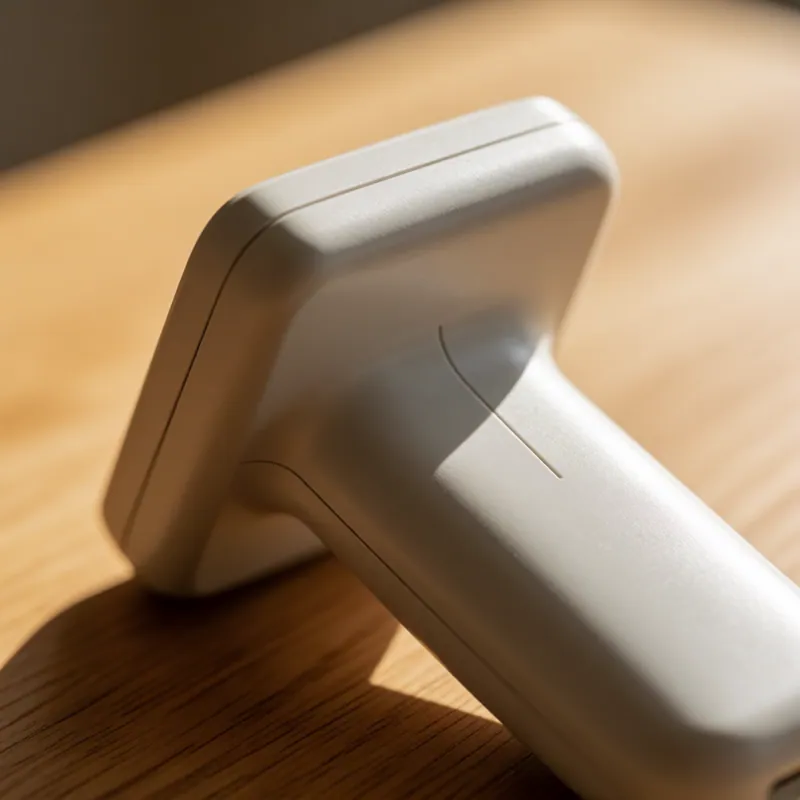
A handheld scanner passed slowly over the area between the shoulder blades detects the chip and displays its unique number on screen, a process that takes only a few seconds and causes no discomfort to the animal at all. Every shelter, animal control department and veterinary practice we know of in the area carries a scanner capable of reading the standard microchip format used here.
Why we check the chip after implanting it
Immediately after implanting, we scan the animal ourselves to confirm the chip is reading correctly and has not shifted or migrated from where it was originally placed, because a chip that cannot actually be found by a scanner protects nothing at all, regardless of how correctly it was registered on paper beforehand. It takes only a few seconds and it is never treated as an optional extra step.
The record is the part that actually does the work
The implant takes seconds. Keeping the registration behind it current is the part that is easy to forget.
Registration happens at the same visit
We register the chip number to a national database in your name as a standard part of the $55 price, using the contact details you give us that same day, so the record is genuinely live before you even leave the building rather than left as homework you have to remember to complete later, weeks after the appointment is already a distant memory.
A stale record is the most common failure
Moving house, changing your phone number, or getting a new email address all quietly make the record behind a chip out of date unless you actively go and update it yourself, and the chip itself has no way of knowing any of that happened. An unreachable record produces exactly the same practical outcome as an animal with no chip at all.
Updating your details is straightforward
Tell us or contact the database directly whenever your contact information changes, and we will gladly help at no charge if you are not sure how the process works or which database to contact. It takes only a few minutes and it is genuinely the single most useful thing you can do to keep an existing chip actually working the way it is meant to.
Rehoming or a change of ownership
If an animal is rehomed to a new family, the registration needs to be properly transferred to the new owner's details rather than simply left under the previous owner's name, otherwise a scan reaches someone who can no longer help reunite the animal with the person actually caring for it day to day now. We can help with that transfer at either end of the handover.
We will check your registration at any visit
If you are not sure whether your animal's chip is currently registered, or whether the details behind it are still accurate, bring your animal in and we will scan it and check the record together with you at no charge, whether or not the chip itself was originally implanted here at this practice. It takes only a few minutes and there is genuinely no obligation attached.
What actually happens when a found animal is scanned
The scan is usually the very first thing that happens once a lost animal reaches anyone who can help.
The first thing a shelter or officer does
A found animal brought to a shelter, an animal control officer or any veterinary practice is scanned between the shoulder blades as a matter of routine, usually before almost anything else happens, because a readable chip changes the entire next step from a lengthy stray intake process into a comparatively simple phone call. That single scan is often the whole difference between hours and days.
A resolving number leads to a direct call
If the number matches a current, accurate registration, the database or the person who found the animal can usually reach the registered owner directly, often within the same day rather than after a delay, rather than the animal entering a shelter's standard holding period while a match is slowly worked out. Most reunions of this kind genuinely happen within hours, not days.
A chip with no current record still delays things
If the number does not resolve to a working contact, because the record was never actually completed or was left to go outdated over time, the animal is effectively treated as unidentified even though it is, technically, microchipped, and enters the very same holding process as an animal with no chip whatsoever. This is precisely the scenario keeping the registration current is meant to prevent.
We scan any animal brought to us, registered here or not
Found animals are scanned as a standard part of simply being brought in through our door, entirely at no charge, whether or not the microchip happens to be registered to our own records here. If we can identify an owner through that scan, we will make the call ourselves rather than just informing you a chip was found and leaving the rest to you.
Why we recommend it alongside, not instead of, a collar and tag
A collar and a visible tag get an animal home faster in the short term, simply because anyone at all can read a printed tag without needing a scanner of any kind. A microchip is the permanent backup for the day a collar is lost or slips off, which happens more often than most owners honestly expect, particularly with cats.
Microchipping in western Queens
A microchip implanted and registered to a national database for $55, kept honest about what it actually does — a permanent ID a scanner can read, not a GPS tracker that shows you where your animal is.
It starts the same way whatever you are here for: a full examination with time to talk, what we found explained in plain English, and a written estimate for anything beyond the consultation before it happens. You are entitled to take that estimate away and think about it, and to ask what happens if you do nothing. That last one is a real question and it gets a real answer.
This is general information, not veterinary advice. This page describes a service. It is general information and it is not veterinary advice, a diagnosis or a treatment plan for any particular animal, because no page can examine your pet. If your animal is unwell, injured or behaving unusually, speak to a licensed veterinarian who can actually see it. In an emergency contact your own veterinarian or a 24-hour emergency animal hospital immediately.
Questions
Microchipping — the questions we are asked most
How much does pet microchipping cost in Woodside, NY?
$55, which includes the implant itself, a scan check immediately afterward to confirm the chip is reading correctly, and registration on a national database in your name at the same visit. There is no separate registration fee added later, and updating your details on that record afterward, if you move or change your number, is free.
Is a microchip the same as a GPS tracker?
No, and this is the most common misunderstanding about them. A microchip has no battery, no signal and cannot be located on a map — it only carries a unique number, readable by a scanner held directly over it. If you want to know your animal's real-time location, that requires a separate battery-powered collar device, which a microchip does not replace.
What actually happens when a lost pet is found and scanned?
A shelter, animal control officer or veterinary practice scans the animal between the shoulder blades, usually as one of the first things done. If the number resolves to a current, accurate registration, the registered owner is often contacted the same day. If the record is missing or out of date, the animal is treated as effectively unidentified, even though a chip is physically present.
My pet already has a microchip from a previous owner or shelter. What should I do?
Bring your animal in and we will scan it, confirm the existing chip number, and help you update or transfer the registration into your own name and current contact details at no charge. A chip registered to a previous owner will not reliably lead a finder back to you, regardless of how well the chip itself is working.
How do I update my details if I move or change my phone number?
Contact the database your animal's chip is registered with directly, or bring your animal in and we will do it with you — it takes a few minutes. This is genuinely the single most important thing to keep current, because the chip itself has no way of knowing your details have changed, and an unreachable record behaves exactly like no chip at all.
Does microchipping hurt, and does my pet need sedation?
It is a single needle placed just under the skin between the shoulder blades, and the great majority of dogs, cats and small mammals tolerate it the same way they tolerate a routine injection, without sedation. It is commonly done at the same visit as a vaccination or a wellness examination for exactly that reason.
Should I still put a collar and tag on my microchipped pet?
Yes. A collar and a visible tag get an animal home faster in the short term, because anyone who finds your animal can read a tag without needing a scanner at all. A microchip is the permanent backup for when a collar is lost or removed, which happens more often than most owners expect, particularly with cats.
Can you scan an animal that was not microchipped here?
Yes. We scan any animal brought to us, whether or not the chip was implanted or registered at this practice, entirely at no charge and with no obligation to become a client here. If a scan finds a chip and we can identify an owner through the registration behind it, we will make that call ourselves straight away rather than simply telling you a chip was found and leaving you to sort out the rest.
Related
Usually booked alongside this
Wellness & Prevention
Pet Care
Everything routine pet care covers in Woodside, NY, from a puppy's first visit through a senior's twice-yearly check-up, with the specific service, the actual interval and the price for each one.
Read more
Wellness & Prevention
Wellness Exams
A full nose-to-tail wellness exam for $75, or an extended senior health check with blood pressure and a senior blood panel for $145 — both including a written plan you actually leave with.
Read more
Wellness & Prevention
Vaccinations
Core vaccines for dogs and cats, the rabies vaccination New York State requires, and an honest answer about titre testing — each priced plainly and given at the interval that actually protects your animal.
Read moreA written estimate before anything is booked
Book an appointment
We hold same-day appointments back on every single day of the week for animals that were well yesterday. Call the practice and describe what you have noticed, and the desk will book you at the right speed rather than the soonest one.