Is something wrong right now? If your pet is struggling to breathe, has collapsed, is bleeding heavily, cannot pass urine, has a swollen hard abdomen, is having a seizure, has been hit by a car, or has swallowed something you think is poisonous, this is an emergency. Call us before you set off so we can be ready for you, and if we are closed call a 24-hour emergency hospital straight away. Do not wait to see whether it settles. Call 000-000-0000
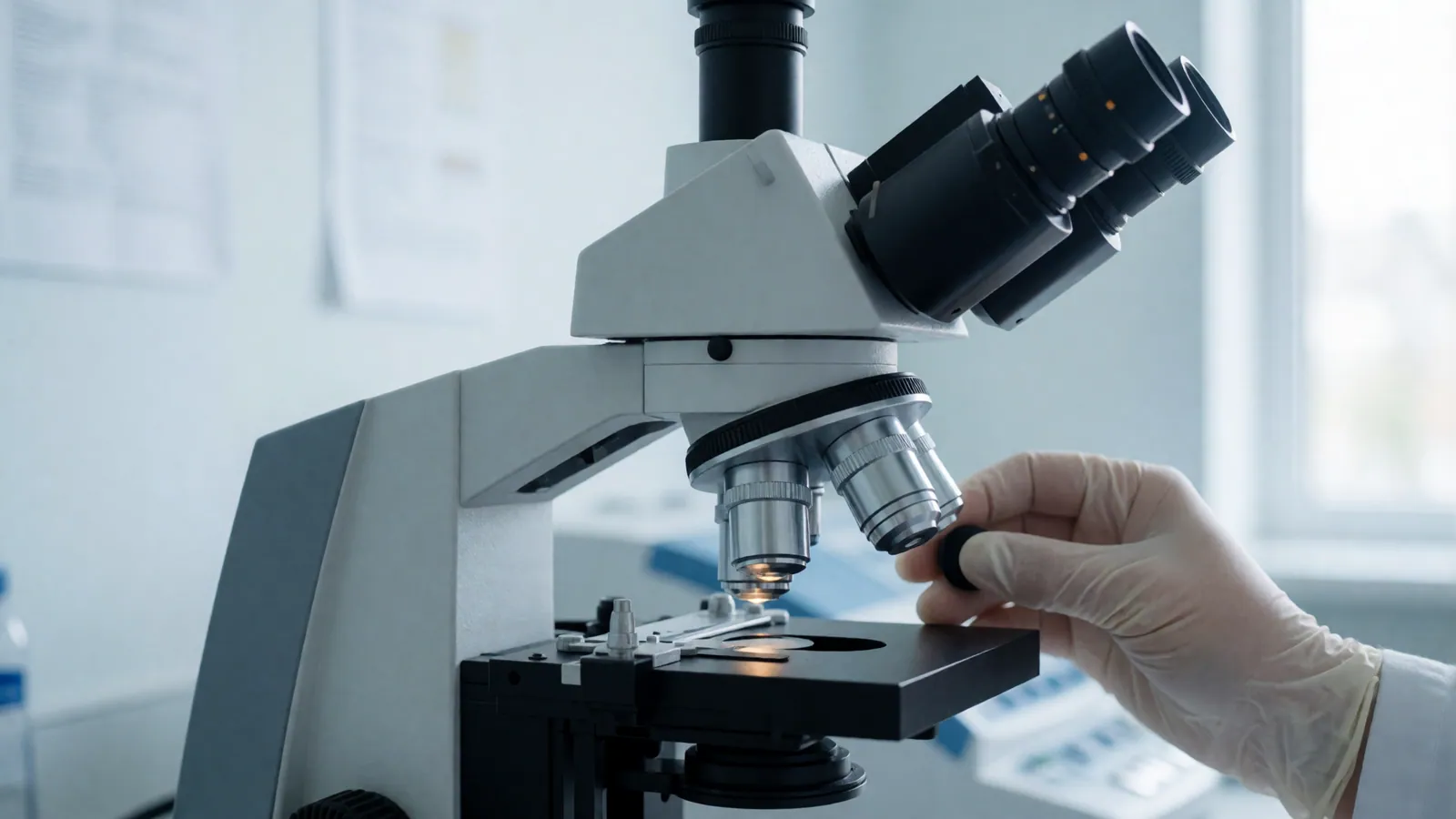
An in-house laboratory is not a convenience feature; it changes what actually happens during your animal's appointment. When a blood panel, a urine sample or a cytology slide is processed here rather than sent to an outside laboratory, the result is very often back before you and your animal have left the building — which means a treatment decision that would otherwise wait for a courier and a next-day report can be made today, while your animal is still in front of the veterinarian who examined it. Speed here is a clinical tool, not a marketing line on a brochure.
Haematology and biochemistry, urinalysis, faecal parasite screening and cytology are all processed in our own laboratory, by trained staff, most of the time within the same visit. A blood panel most commonly comes back within the hour; a faecal screen and a urinalysis are usually faster still. We do send certain specialised tests to an outside reference laboratory when the equipment or expertise needed genuinely is not something an in-house lab of this size can provide, and we will tell you plainly when that is the case and roughly how long that result will take.
The hour matters most exactly when your animal is at its most unwell. A collapsed or dehydrated animal, a cat suspected of kidney or thyroid disease, a dog that has eaten something it should not have — in each of these, the difference between a result available now and a result available tomorrow can be the difference between starting fluids or medication today and sending your animal home to wait. It is also why our /senior-pet-care.html and /sick-visits.html pages both lean on this laboratory so heavily: speed matters most when an animal cannot afford to wait for it.
What is processed here, and roughly how fast
Five different sample types are handled in-house, each answering a different kind of clinical question.
The in-house blood panel
Haematology looks at red and white cell counts and can flag anaemia, infection or a clotting problem; biochemistry looks at organ function through markers for the kidneys, liver, pancreas and more. Run together as a $130 panel, most results are back within the hour, which is fast enough to inform a decision before your animal has even left the building that day.
Urinalysis
A dipstick reading, specific gravity and a look at the sediment under a microscope, at $65. This is where we find early signs of kidney disease, diabetes, a urinary infection or crystals, often before any of those conditions has produced an obvious symptom you would have noticed at home on your own. Collection is straightforward and rarely stressful for the animal, and if a sample is genuinely difficult to obtain that day we will tell you plainly rather than guess at a result from too little material.
Cytology, per site
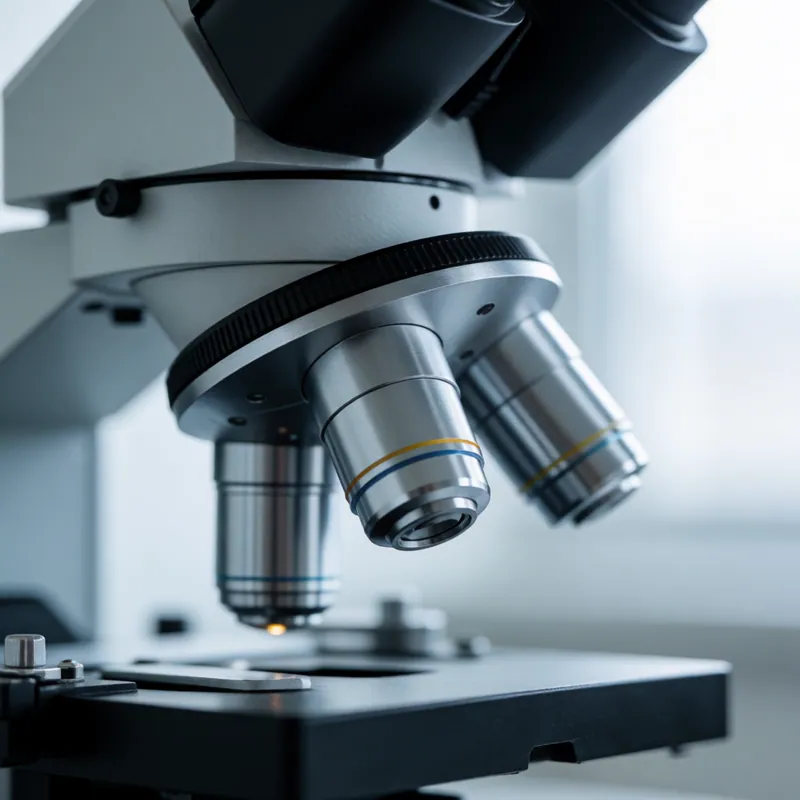
A sample from a lump, an ear or a skin lesion, stained and read under the microscope during your appointment, at $85 per site. This is frequently the single test that turns an unknown lump into either a reassurance or a reason to act, and it usually happens while you are still in the room with us, with the result explained to you in plain terms rather than left as a technical note in the file.
Faecal parasite screen
A stool sample examined for the eggs and organisms of intestinal parasites, at $45, with the result back the same day. Many parasites produce no obvious symptom at all in an otherwise healthy-looking animal, which is exactly why this is screened for rather than only tested when there is a visible problem present. We recommend it as a routine part of a wellness visit for exactly this reason, rather than waiting for a change in stool or appetite to prompt the conversation.
Blood pressure measurement
Taken in a quiet room, averaged over several readings rather than relying on one, at $45. High blood pressure in cats in particular is frequently silent until it damages the eyes or the kidneys, which is why it is measured proactively in senior animals rather than only when something has already gone wrong. The reading itself takes only a few minutes and causes no discomfort, and we will always repeat it on a different day before treating a single high result as definite.
Why speed changes the treatment, not just the wait
A fast result is not just less waiting around — it is frequently a different decision altogether for your animal.
A collapsed or dehydrated animal cannot wait for Thursday
An animal brought in collapsed or severely dehydrated needs fluids, and the right fluid and the right rate depend on values a blood panel provides — electrolytes, kidney values, red cell counts. Waiting a day for that panel to come back from an outside laboratory means treating blind for that day, or not treating appropriately at all until it arrives.
Same-visit results mean one appointment instead of two
Sending a sample away and waiting for the report often means a second appointment simply to discuss a result that could otherwise have been explained in the first one, at a second consultation fee and another day of not knowing. Processing it here, in most cases, folds that second conversation into the same original visit. It also means the veterinarian who examined your animal is the one explaining the result, rather than a second person picking up a case they did not see from the start.
A treatment decision that cannot be reversed easily
Starting a medication on the wrong assumption, particularly one that affects the kidneys or the liver, is not something to correct casually once results finally arrive. Having the relevant values in hand before the first dose is given is a genuinely different and safer position than starting treatment and hoping the delayed result agrees with the choice already made. This is precisely the situation an in-house result is built to prevent, by putting the number in front of the veterinarian before anything is dispensed rather than after.
What still goes outside the building
Certain specialised tests — some hormone assays, less common infectious disease panels, and any test needing equipment or expertise beyond what an in-house laboratory of this size reasonably carries — are sent to an outside reference laboratory. We will tell you plainly when a result is not going to be same-day and give you an honest estimate of how long it will actually take to come back.
Results explained while you are still here
A veterinarian reviews an in-house result with you the same visit wherever possible, explaining what each abnormal value actually means for your animal specifically rather than leaving you to interpret a printed report at home. Questions get answered on the spot, while the whole picture — the examination and the numbers — is still fresh for both of you. If a value needs watching rather than acting on immediately, we will tell you exactly when to recheck it rather than leaving that timing vague.
How a sample actually gets taken, and what happens to it
The process behind an in-house result is straightforward, and none of it requires your animal to leave the building.
Blood draws, done quickly and gently
A small blood sample is taken by a technician, usually from a front leg, and takes moments for a cooperative animal. For an anxious animal, a technician trained in gentle restraint will take the time needed rather than rush it, because a struggling animal makes the draw harder and the result no more reliable in the end. Most animals barely react beyond a brief moment of stillness, and we will always tell you honestly if your particular animal needed more patience than usual that day.
Urine samples, collected the way that suits your animal
Sometimes collected at home in a clean container if you can manage it, sometimes collected here by a technician during the visit, and occasionally taken directly with a fine needle when a completely uncontaminated sample matters for the question being asked. We will tell you which method is right for what we are actually testing for. If we ask you to collect a sample at home, we will explain exactly what counts as a clean container and how soon it needs to reach us to remain useful.
A cytology sample taken during the same appointment
A fine needle or a swab collects cells from a lump, an ear or a skin lesion, which are placed on a slide, stained and examined under the microscope, usually while you wait in the room or a short distance away. Most of the time you leave the appointment already knowing the answer rather than waiting for a call later.
Who actually reads the slide
Samples are examined by trained veterinary staff and, for the veterinarian, cytology reading is a routine and frequent part of the job rather than an occasional task — pattern recognition improves with repetition, and repetition is exactly what an in-house laboratory processing samples every day provides to the whole team. Where a slide shows something unusual, or where the reading would benefit from a second trained opinion, we will say so and either review it with a colleague here or send it out rather than commit to an answer we are not confident in.
What we do when a result is genuinely ambiguous
Not every slide or panel gives a clean answer, and when a result is ambiguous we will say so rather than force a conclusion it does not support. In that situation we will explain the options plainly — repeating the sample, sending it to an outside specialist laboratory for a second reading, or monitoring and rechecking in a defined number of weeks.
In-House Laboratory in western Queens
Haematology, biochemistry, urinalysis and cytology run in the building, with most results back inside the hour — the difference between starting treatment today and starting it after a weekend wait.
It starts the same way whatever you are here for: a full examination with time to talk, what we found explained in plain English, and a written estimate for anything beyond the consultation before it happens. You are entitled to take that estimate away and think about it, and to ask what happens if you do nothing. That last one is a real question and it gets a real answer.
This is general information, not veterinary advice. This page describes a service. It is general information and it is not veterinary advice, a diagnosis or a treatment plan for any particular animal, because no page can examine your pet. If your animal is unwell, injured or behaving unusually, speak to a licensed veterinarian who can actually see it. In an emergency contact your own veterinarian or a 24-hour emergency animal hospital immediately.
Questions
In-House Laboratory — the questions we are asked most
Why does it matter if the laboratory is in the building?
Because the result usually comes back before your appointment ends rather than the next day, and that speed frequently changes what actually happens — starting fluids or medication today rather than sending your animal home to wait for a report. For a collapsed, dehydrated or acutely unwell animal, the difference between now and tomorrow can be the entire treatment decision, not just a shorter wait in the lobby.
How much does a pet blood test cost in Woodside, NY?
An in-house blood panel covering haematology and biochemistry is $130, with most results back within the hour. A urinalysis is $65, cytology from a lump or lesion is $85 per site, a faecal parasite screen is $45, and a blood pressure measurement is $45. Any of these can be run on its own or alongside a consultation, and we will tell you which tests actually make sense first.
How is the blood sample taken?
A technician draws a small sample, usually from a front leg, which takes only a moment for a cooperative animal. For an anxious animal we take the time needed for gentle restraint rather than rushing, because a struggling animal makes the draw more difficult and does not make the result any more accurate. Most animals tolerate it far better than owners expect once they are actually in the room.
Do you send samples to an outside laboratory too?
Sometimes, for specialised tests that need equipment or expertise beyond what an in-house laboratory of this size reasonably carries — certain hormone assays and some less common infectious disease panels, for example. We will tell you plainly when a test is going to an outside reference laboratory and give you an honest estimate of how long that result will actually take, rather than letting you assume every test comes back within the hour.
What does a faecal parasite screen actually check for?
A stool sample is examined under the microscope for the eggs and organisms of common intestinal parasites, many of which produce no obvious symptom in an otherwise healthy-looking animal. It is $45, results are usually back the same day, and it is one of the tests we recommend proactively rather than only once a problem has already become visible, because early detection here is genuinely straightforward.
Why do you test blood pressure, especially in cats?
High blood pressure is frequently silent in cats until it has already damaged the eyes or the kidneys, so we measure it proactively in senior animals rather than waiting for a symptom to appear. It is taken in a quiet room and averaged over several readings rather than relying on a single number, because a stressed animal in an unfamiliar room can produce one falsely high reading on its own.
Will I get the result the same day I bring my pet in?
In most cases, yes — a blood panel, urinalysis, faecal screen or cytology sample is typically processed and explained to you within the same visit, often within the hour. The exception is a specialised test that has to go to an outside reference laboratory, and we will tell you clearly at the time whether that applies rather than let you assume every test is equally fast to come back.
Can you test a lump before deciding whether to remove it?
Yes, and this is one of the most useful things an in-house laboratory does. A fine needle sample from the lump is examined under the microscope during your appointment, at $85, which very often tells us whether a lump is something to watch, something worth removing soon, or something that needs a laboratory referral for a more detailed answer before any surgery is planned.
Related
Usually booked alongside this
Diagnostics & Medicine
Sick Visits
Same-day appointments held back on every day of the week for an animal that was well yesterday and is not well today, with a desk trained to tell how quickly you need to be seen.
Read more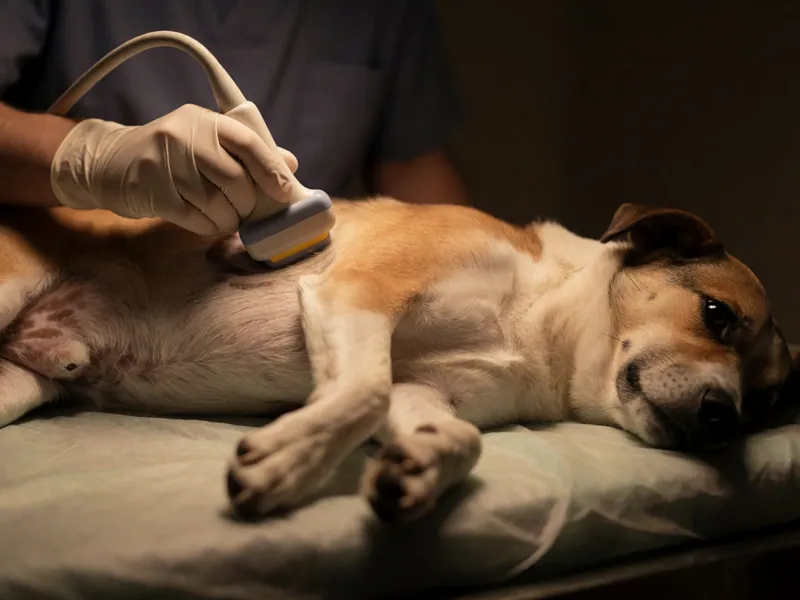
Diagnostics & Medicine
X-Ray & Ultrasound
Digital radiography for a bone, an object or an organ's size and position, and ultrasound for what that organ's own tissue looks like on the inside, with images kept on your animal's record.
Read more
Diagnostics & Medicine
Skin, Ear & Allergy
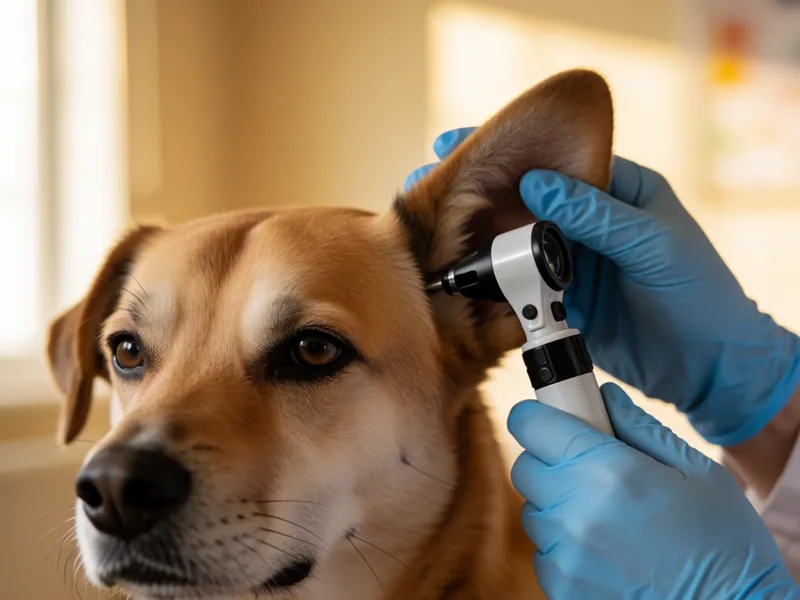
Itch is a symptom rather than a diagnosis, and the same red, irritated ear or paw can have several different causes that a cytology sample taken at the visit narrows down before anything is prescribed.
Read moreA written estimate before anything is booked
Book an appointment
We hold same-day appointments back on every single day of the week for animals that were well yesterday. Call the practice and describe what you have noticed, and the desk will book you at the right speed rather than the soonest one.